

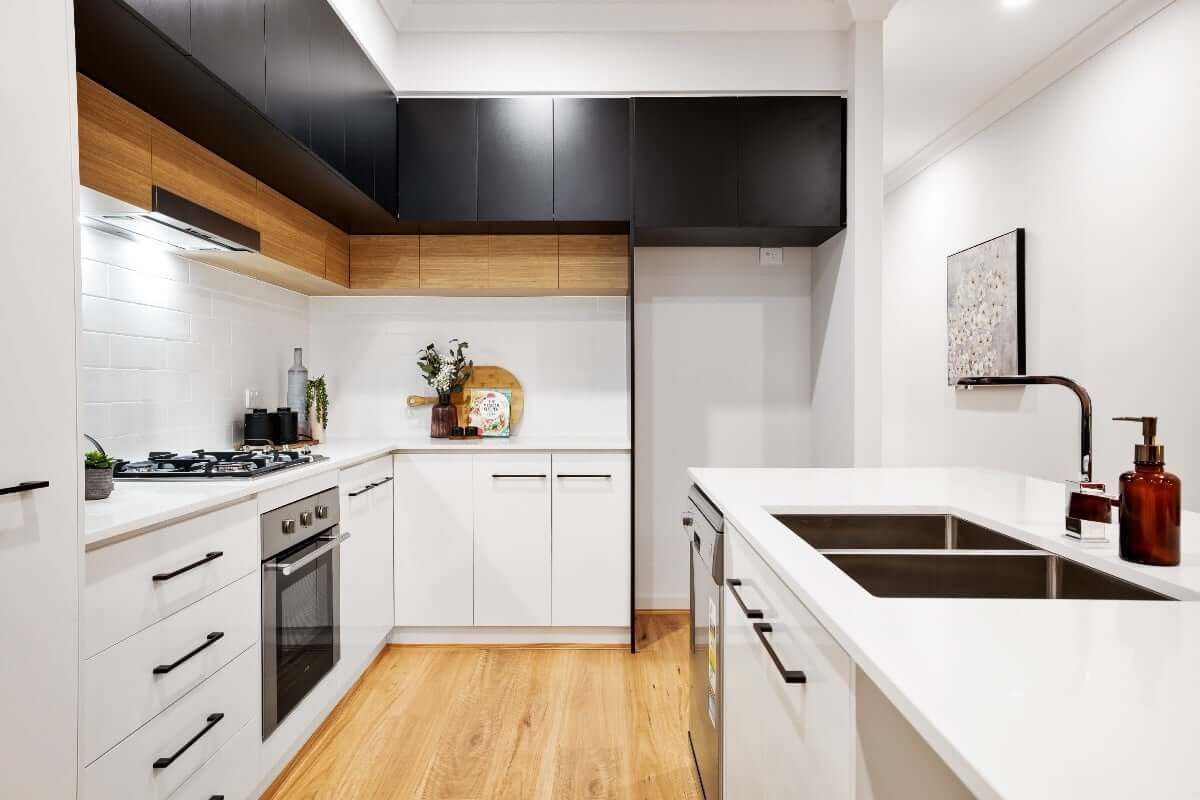
Quick Answer
The best feng shui for beginners starts with the changes that improve a room fastest: clear the entry, reduce obvious clutter, steady the bed position, make each room do one main job, and calm the color mood before buying symbolic objects.
Feng shui gets confusing when it is taught like a long list of rules. It gets much easier when you treat it like a sequence of practical room improvements.
Beginners usually do better by asking one simpler question: what would make this room feel easier to live in right away? That question leads to much better first moves than trying to memorize everything at once.

Where to Start if You Are New to Feng Shui
Start with the parts of the home that shape experience first. Can you arrive easily? Can you move through the room without visual friction? Does the bedroom feel steady? Does the room know what job it is trying to do? These beginner questions matter far more than collecting symbolic cures.
| Best first move | Why it matters | What to do |
|---|---|---|
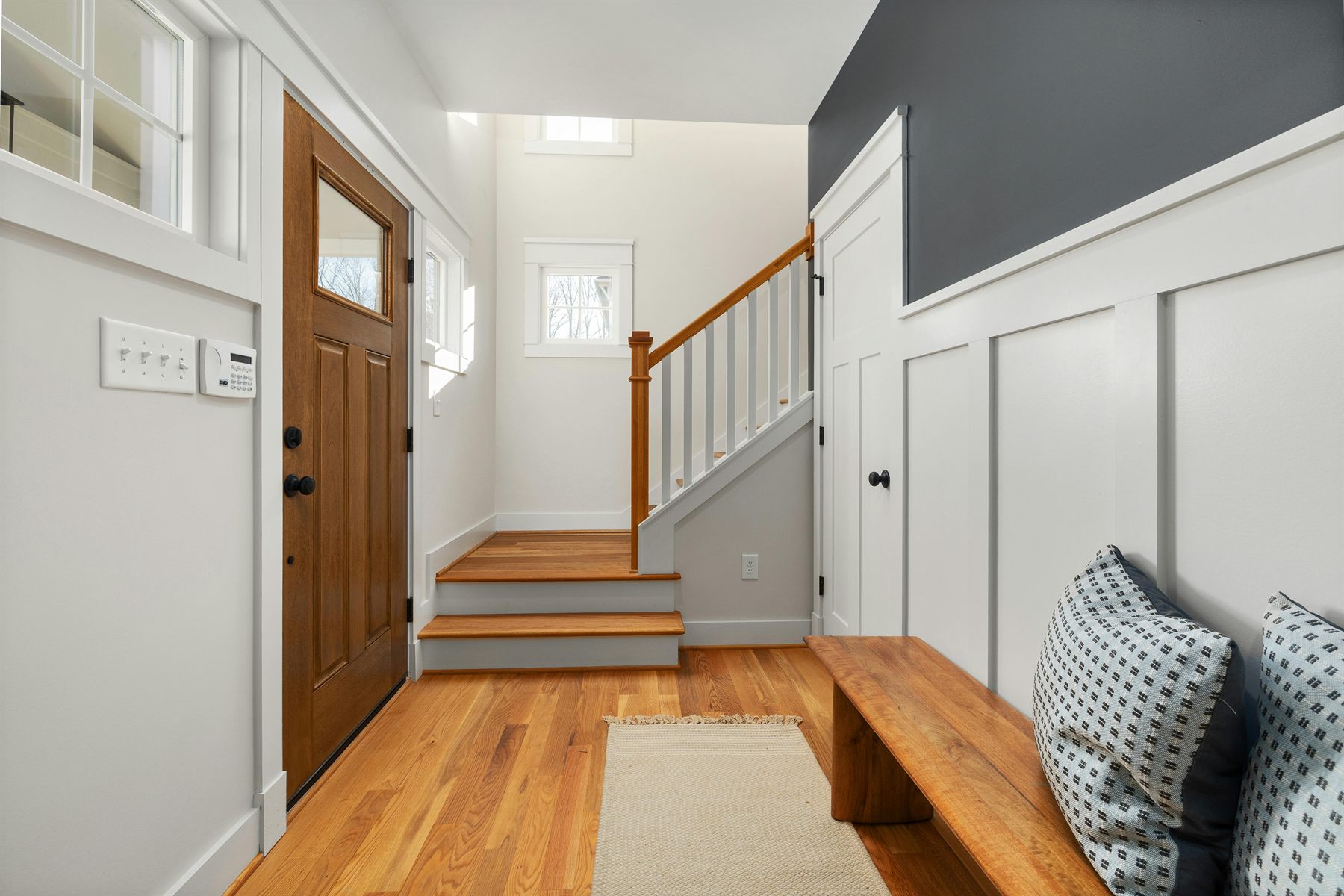
| Clear the entry | The threshold sets the tone for the whole house | Remove clutter, improve light, and make the door easier to use |
| Reduce visible clutter | Open pathways and calmer surfaces improve the room quickly | Clear one path and one main surface in each room first |
| Steady the bed | The bed influences rest more than almost anything else | Give it a stronger wall and a clearer relationship to the door |
| Clarify room purpose | Rooms feel off when they are trying to do too many jobs | Decide the room's main role and remove what fights it |
| Calm the color | Color can either steady the room or keep it overstimulated | Use softer tones before chasing lucky color formulas |
The Best Beginner Moves
Five changes that give beginners the fastest return
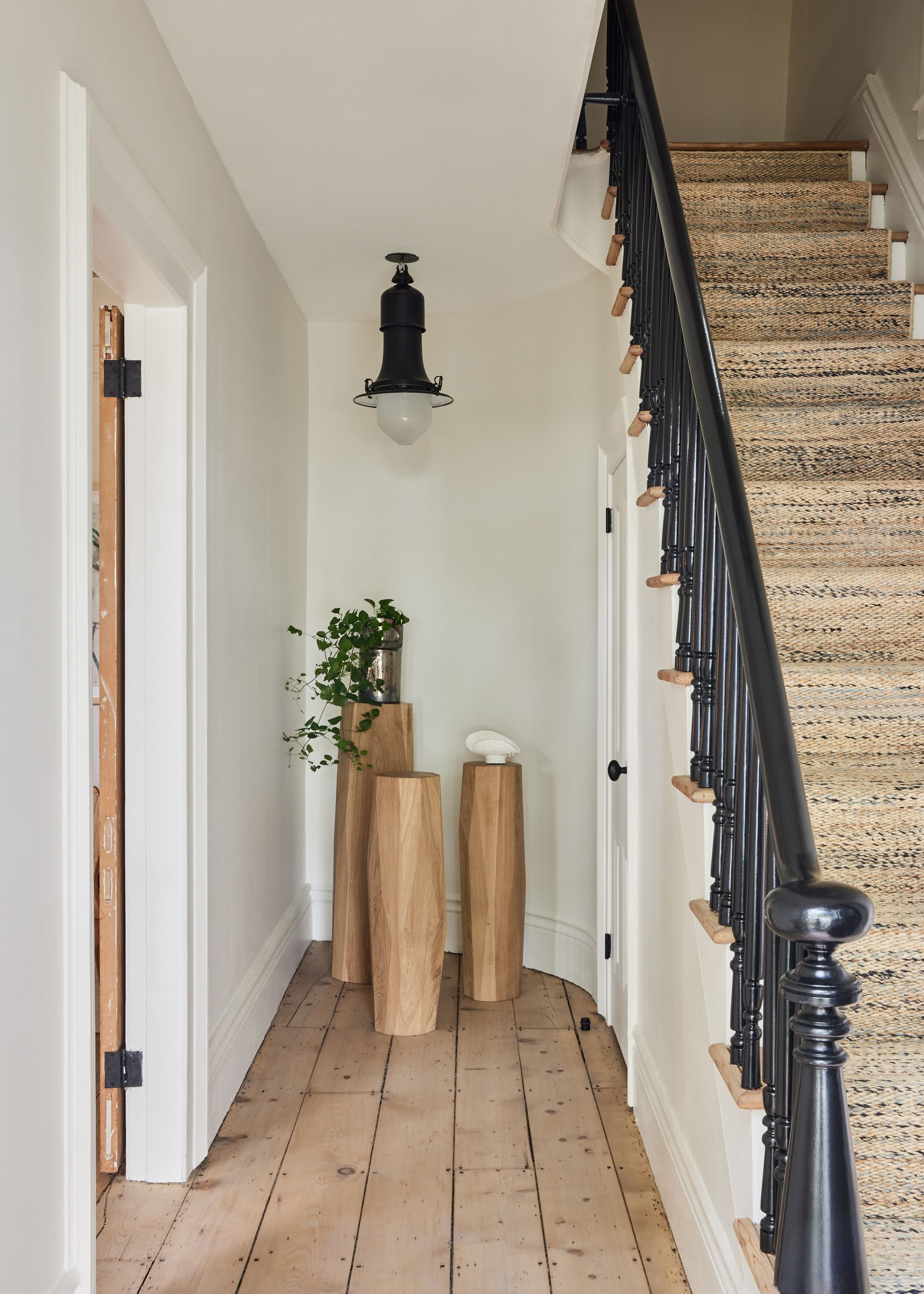
Start at the front door
A clearer threshold, better light, and less arrival clutter often shift the whole house quickly.
Fix the obvious drag
Broken hardware, dead bulbs, stuck drawers, and neglected corners are stronger beginner targets than decorative cures.
Protect the bed zone
A steadier bed usually improves the bedroom faster than changing small accessories.
Edit before decorating
Removing one noisy layer often helps more than adding one more symbolic object.
Use calmer color first
A softer room mood usually teaches beginners more than chasing one lucky color too literally.

The Five Elements Made Simple
Beginners usually hear about the five elements early, then get stuck because the concept sounds more mystical than practical. The easier way to use it is this: think of the elements as mood and material clues you can add lightly when a room feels off.
| Element | Usually feels like | Beginner-friendly way to use it |
|---|---|---|
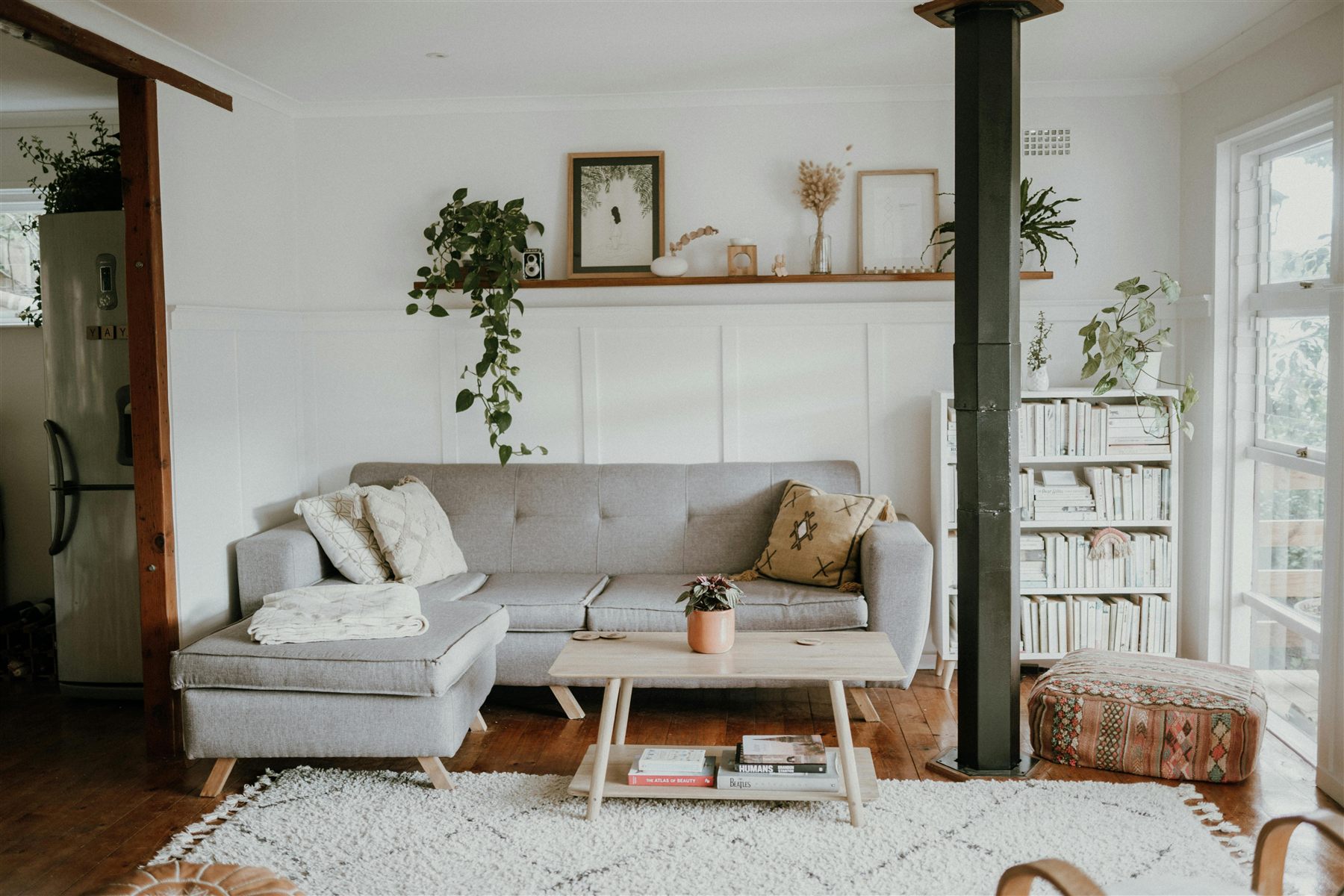
| Wood | Growth, freshness, movement | Add plants, greens, and natural wood tones when a room feels stale. |
| Water | Calm, depth, reflection | Use dusty blue, blue-green, or smaller dark accents when a room feels hot or frantic. |
| Earth | Stability, comfort, support | Bring in clay, sand, cream, stone, and grounded textiles when a room feels floaty. |
| Fire | Warmth, life, visibility | Add warmer light, a candle moment, terracotta, or one energizing accent when a room feels dull. |
| Metal | Clarity, precision, edit | Use white, soft black, or cleaner shapes when a room feels messy or visually crowded. |
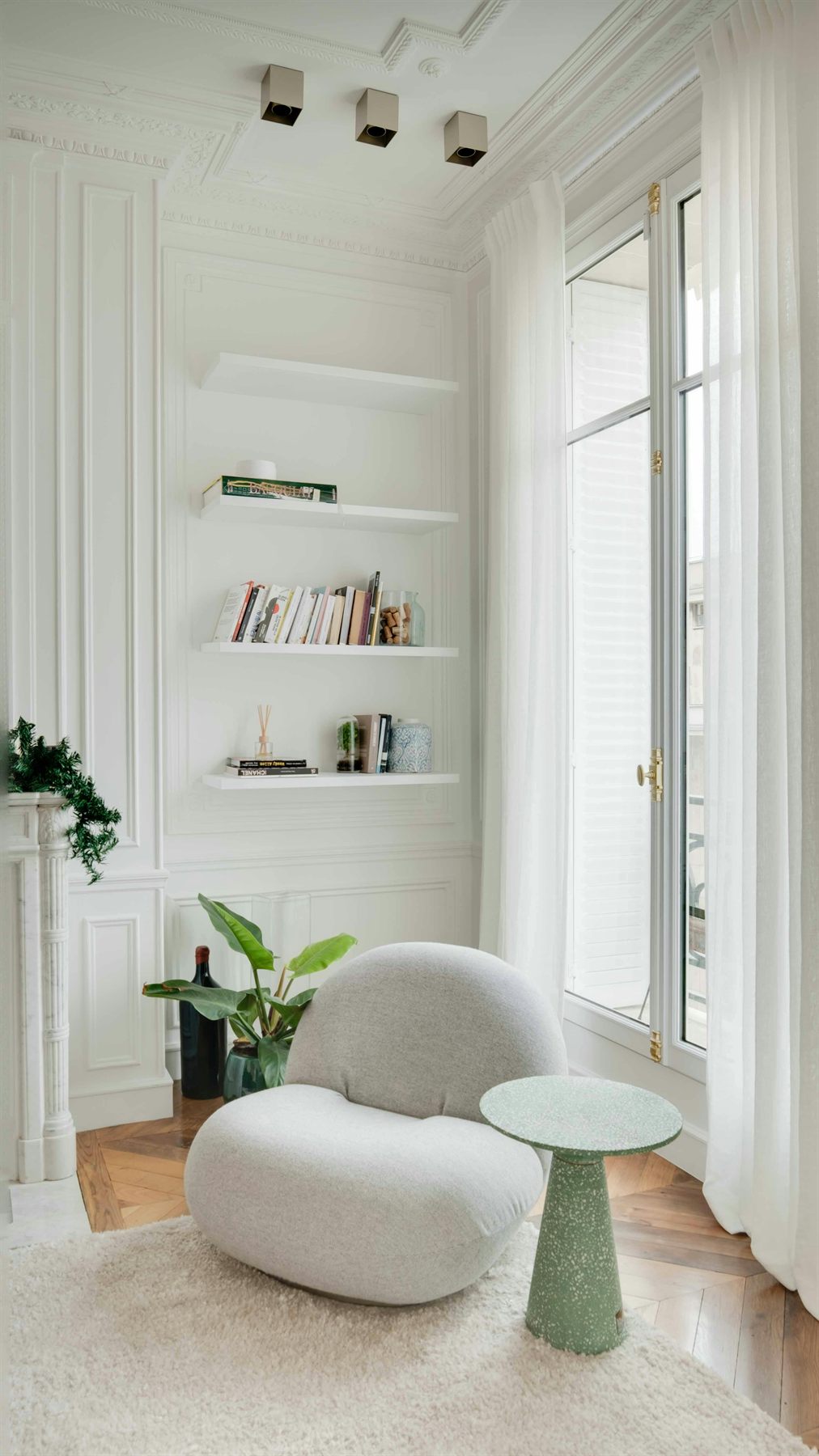

You do not need to balance all five elements perfectly on day one. If the room already functions better, you can use the elements later as a light correction tool: more wood for freshness, more earth for grounding, more metal for edit, more fire for warmth, or more water for calm.
Starter Color Palettes Beginners Can Use
Beginners usually do better with calmer palettes than with dramatic elemental color moves. The safest approach is to build from a soft base, then let one element show up as an accent rather than trying to force five symbolic colors into one room.
Three beginner-friendly palette directions
These combinations are easier to live with, easier to style, and easier to adjust as you learn what the room actually needs.
Soft earth base
Grounded and easy
Soft earth base + Walnut + Clay
Best for living rooms, bedrooms, and shared spaces that need warmth without heaviness.
Wood and cream
Fresh but calm
Wood and cream + Cream + Natural oak
Useful when a room feels stale and needs more life, especially with plants and lighter wood tones.
Quiet water mix
Cooler and steadier
Quiet water mix + Soft ivory + Charcoal
A good beginner option for bedrooms or reading corners that feel too hot, noisy, or overstimulating.
If you want more room-specific color direction after this, feng shui room colors, feng shui colors for bedroom, and feng shui colors for living room are the best next reads.
What Not to Do First
Start here instead
- +Improve the entry, the bed position, the main pathway, or the room's upkeep first.
- +Use one room as a test case before trying to redo the whole house.
- +Look for changes that make the room feel better immediately.
- +Use symbolic items only after the room itself already feels more supported.
Do not start here
- -Buying many cures before the home is cleaner, lighter, or easier to use.
- -Trying to follow every rule literally in one weekend.
- -Assuming you need a perfect home to start feng shui well.
- -Using more symbolism when the real problem is layout, clutter, or maintenance.
If you want the next step after this, move into feng shui rules for your home, feng shui declutter ideas, feng shui bedroom layout, feng shui room colors, and the element color guides like feng shui wood element colors and feng shui water element colors. Those articles take the main beginner ideas and show how they play out in real rooms.
Frequently Asked Questions
What is the first thing to do in feng shui?
What rooms matter most for beginners?
Do beginners need to buy feng shui items?
How do I start feng shui without overdoing it?
The Bottom Line
Feng shui for beginners works best when you start with what changes the room fastest: clearer entry, less clutter, better bed position, more honest room purpose, and calmer color.
Do not try to learn everything at once. Improve one room problem you can already feel, then let that result teach you what matters next.