

Quick Answer
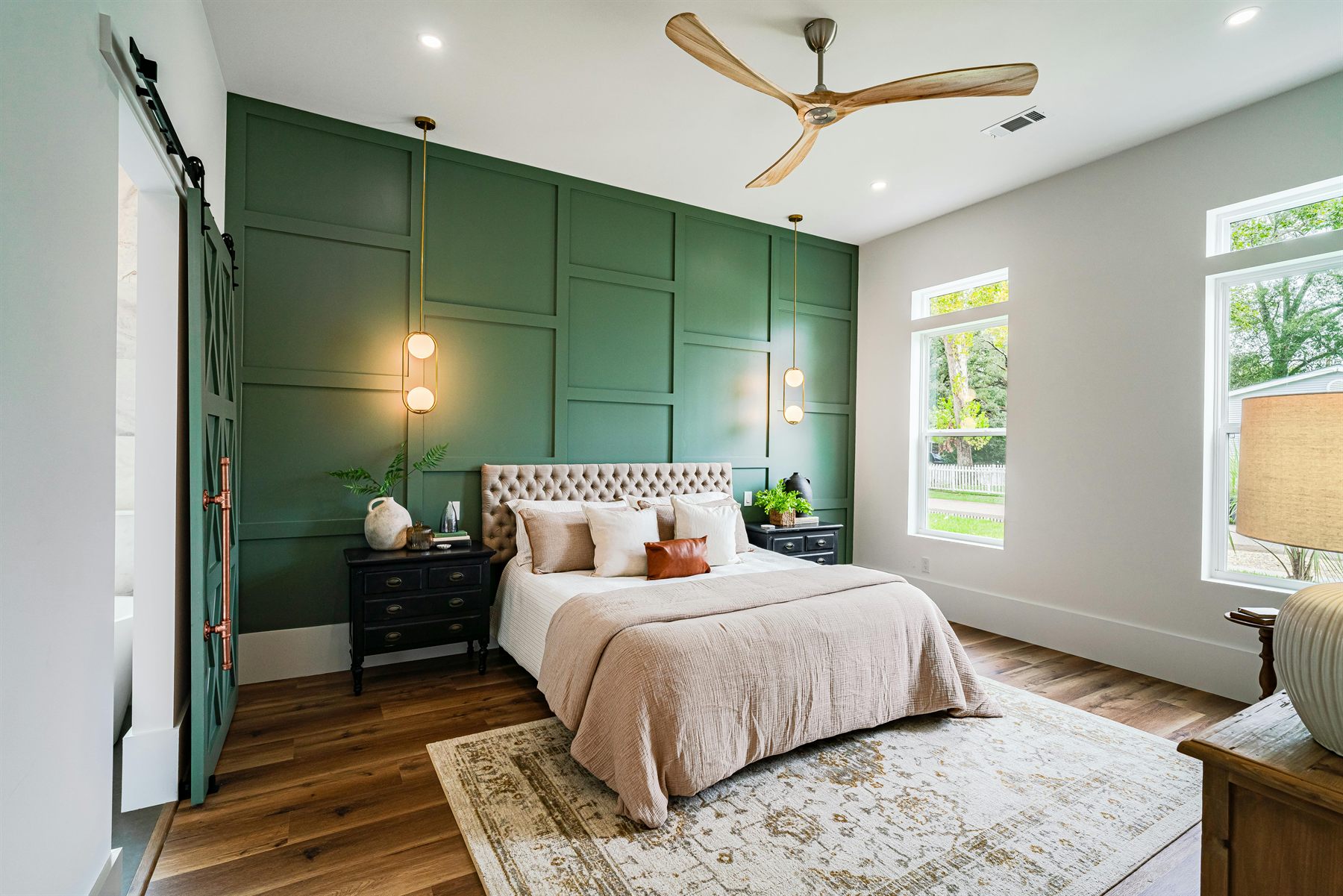
Feng shui wood element colors usually center on green, but the livable version is broader than one paint swatch. Sage, olive, moss, forest green, and warmer wood tones tend to work best because they add growth and life without making the room feel loud or artificial.
Wood element color helps most when the room feels stale, visually dry, or a little too controlled.
The goal is not to turn the room into a green showroom. The goal is to bring in more growth, softness, and natural movement through colors that still feel believable in real furniture, walls, and materials.
The Best Wood Element Colors Feel Alive, Not Synthetic
Wood element colors that are easiest to use at home
Think natural greens first, then use warmer wood tones to keep the room grounded.
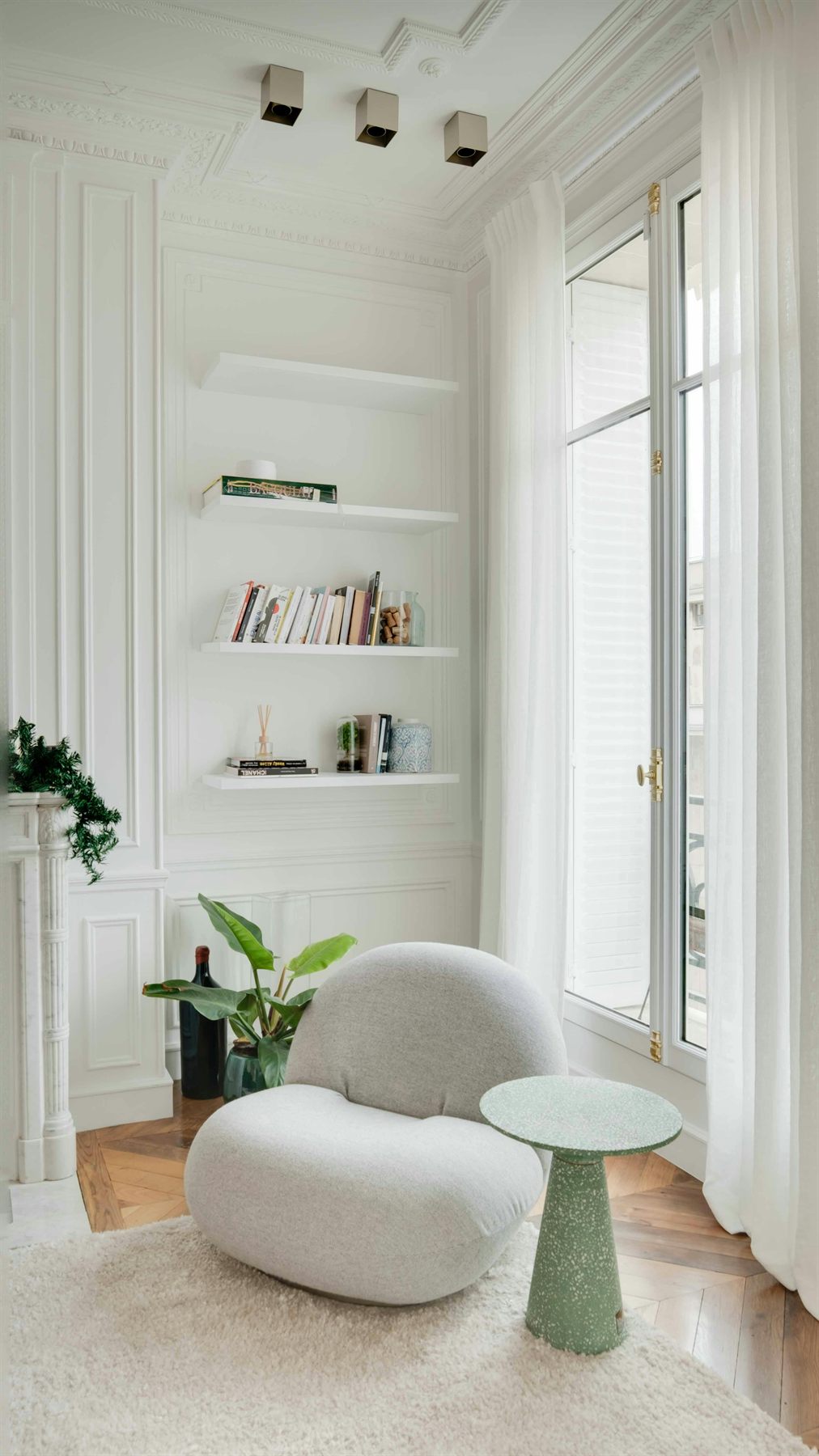
Sage
Restorative
Sage + Linen + Oak
Best for bedrooms, living rooms, and calmer upholstery or wall moments.
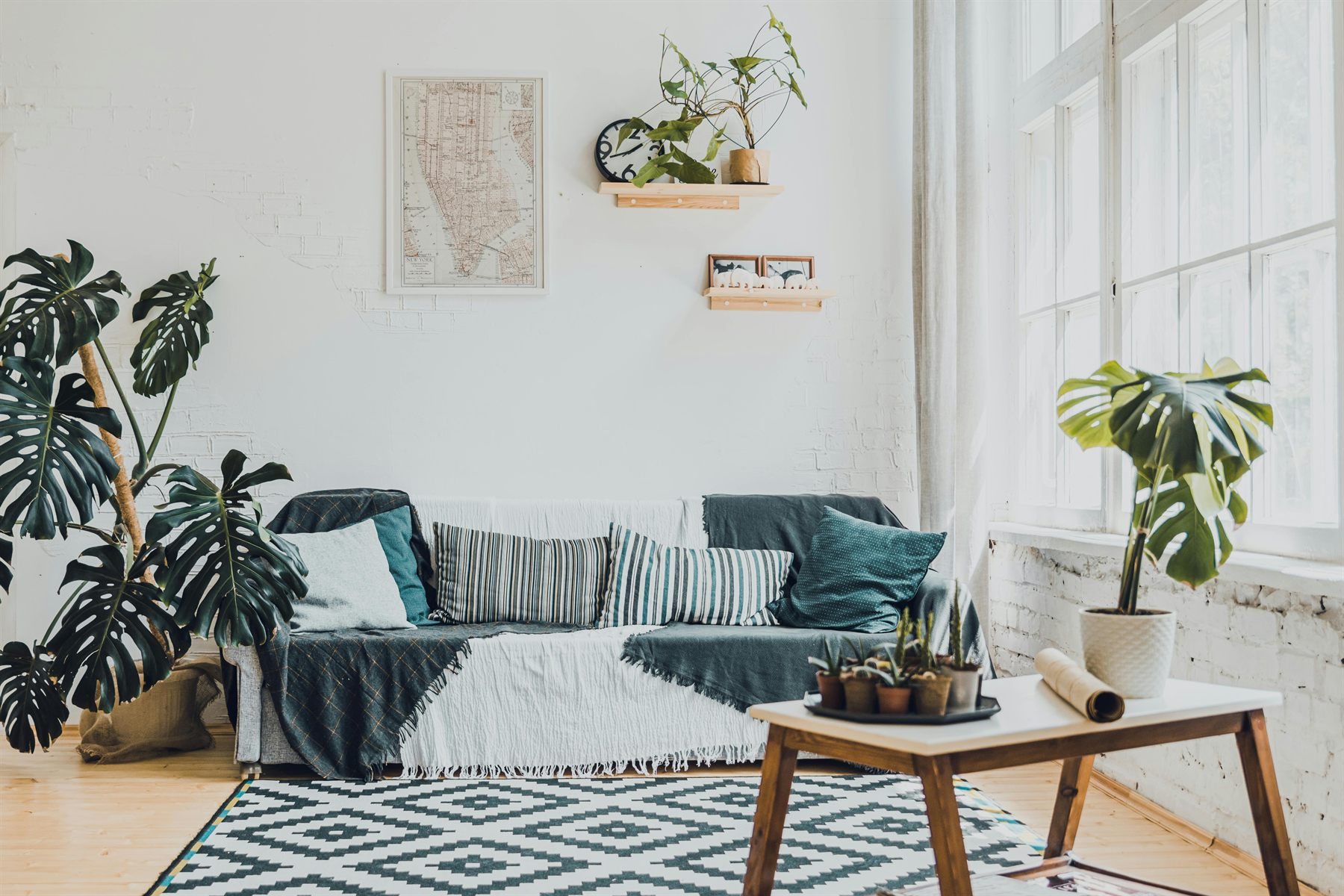
Olive
Grounded growth
Olive + Cream + Walnut
Helpful in living rooms, dining areas, and rooms that need a little more depth without drama.
Forest green
Depth and renewal
Forest green + Stone + Clay
Best in smaller furniture, drapery, or one stronger room zone instead of every large surface.
Wood brown
Stability
Wood brown + Sage + Warm white
Useful through furniture, flooring, shelving, and trim to keep green from floating without support.
How to Use Wood Element Colors Without Overdoing Green
Three wood element palettes that usually translate well
Soft restorative wood
Sage + Warm linen + Oak
Best for bedrooms and calmer living rooms that need more life without more stimulation.
Grounded green
Olive + Cream + Walnut
Good for rooms that already have warm light and want more depth through furniture or one stronger wall.
Forest accent
Forest green + Stone + Clay
Useful when you want wood element presence in smaller edited doses rather than the whole room turning dark.
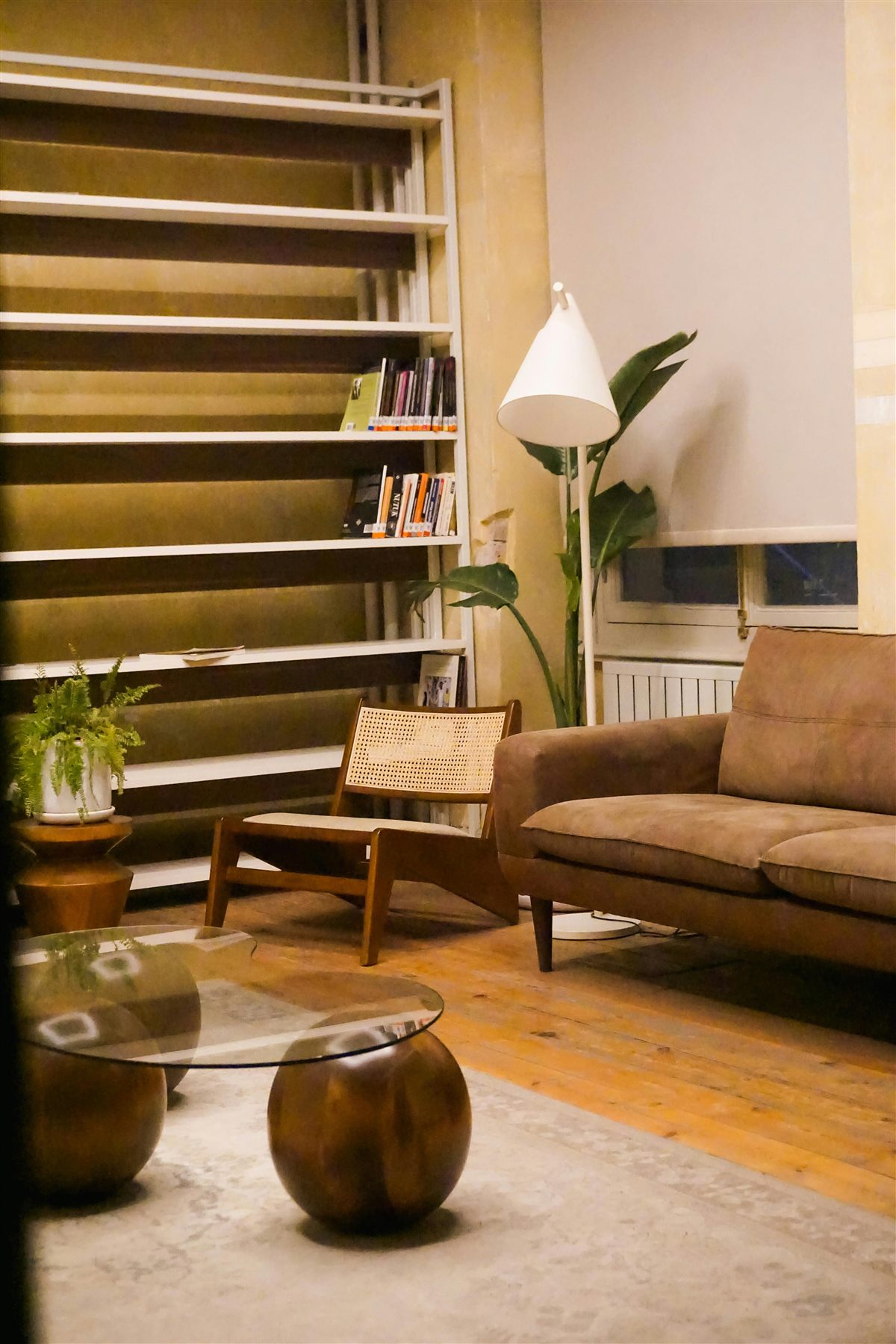
Give wood element color a clear role
Best wall direction
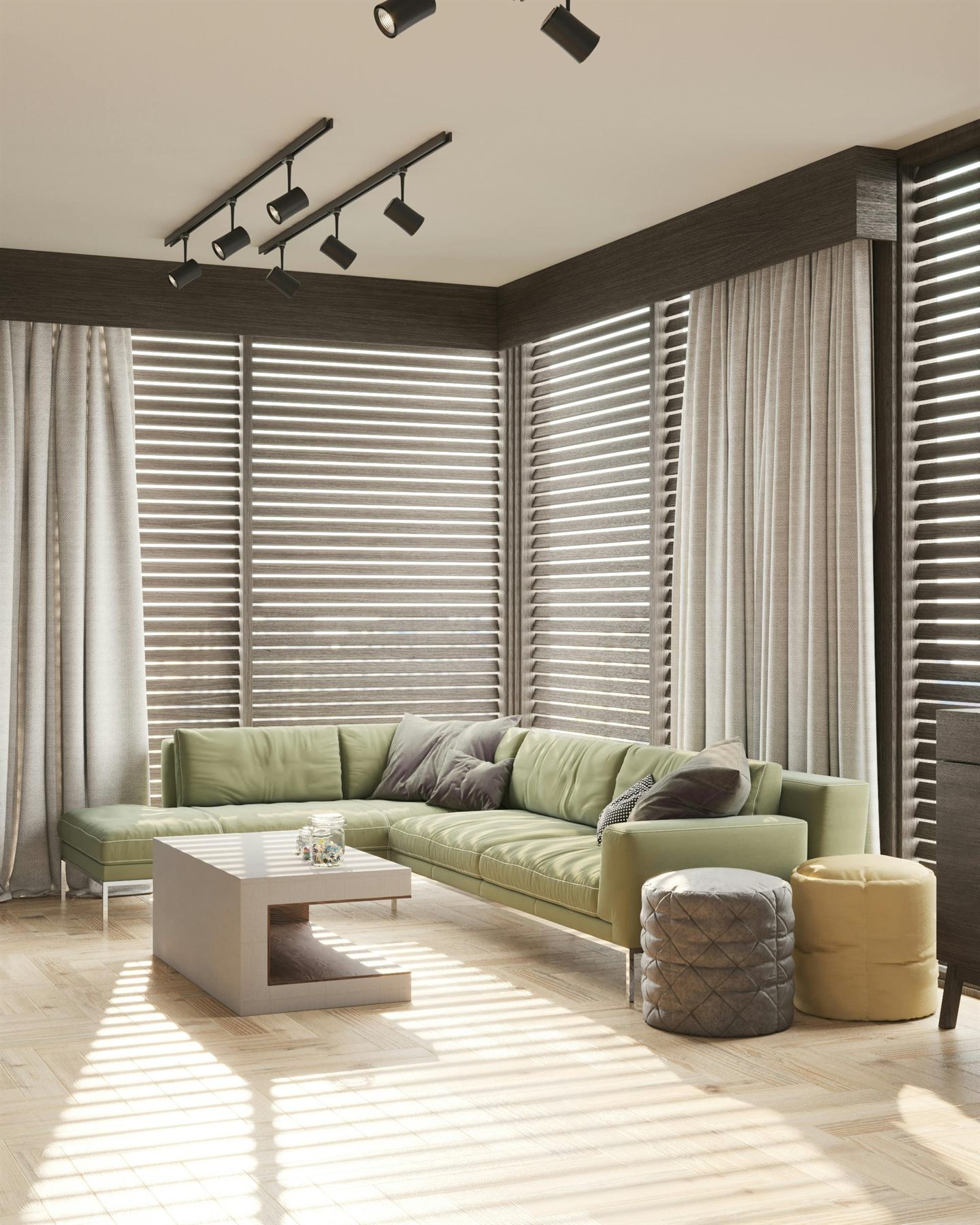
Sage or softened green-gray
Wall color should make the room feel calmer and more breathable, not harsher or darker than it needs to be.
Best furniture color
Olive, moss, or warmer stained wood
Furniture is often the easiest place to add wood element weight without repainting the whole room.
Best accent color
Forest green or clay
A smaller deeper accent keeps the palette lively while the room still reads calm.
What Usually Weakens Wood Element Color
What to avoid with wood element colors
Avoid this
Neon green + Cold white + Flat black
Sharp synthetic green with no natural balance can make the room feel louder and less grounded.
Try this instead
Sage + Linen + Oak
Softer greens plus warm neutrals and wood tones usually carry the same wood-element feeling in a much more livable way.
If you want the broader five-element reference, feng shui color chart and feng shui color palette ideas help connect wood colors to the other element families. Room-specific follow-ups that pair well with wood colors are feng shui indoor plants, feng shui colors for bedroom, and feng shui colors for living room.
Frequently Asked Questions
What are wood element colors in feng shui?
Where do wood element colors work best?
Do wood element colors have to be bright green?
What weakens wood element color use?
The Bottom Line
The best feng shui wood element colors usually feel natural, breathable, and slightly restorative. Sage, olive, forest green, and warmer wood tones are often the easiest place to begin.
If the room feels more alive and grounded after the color arrives, the wood element is probably doing its job.