

Quick Answer
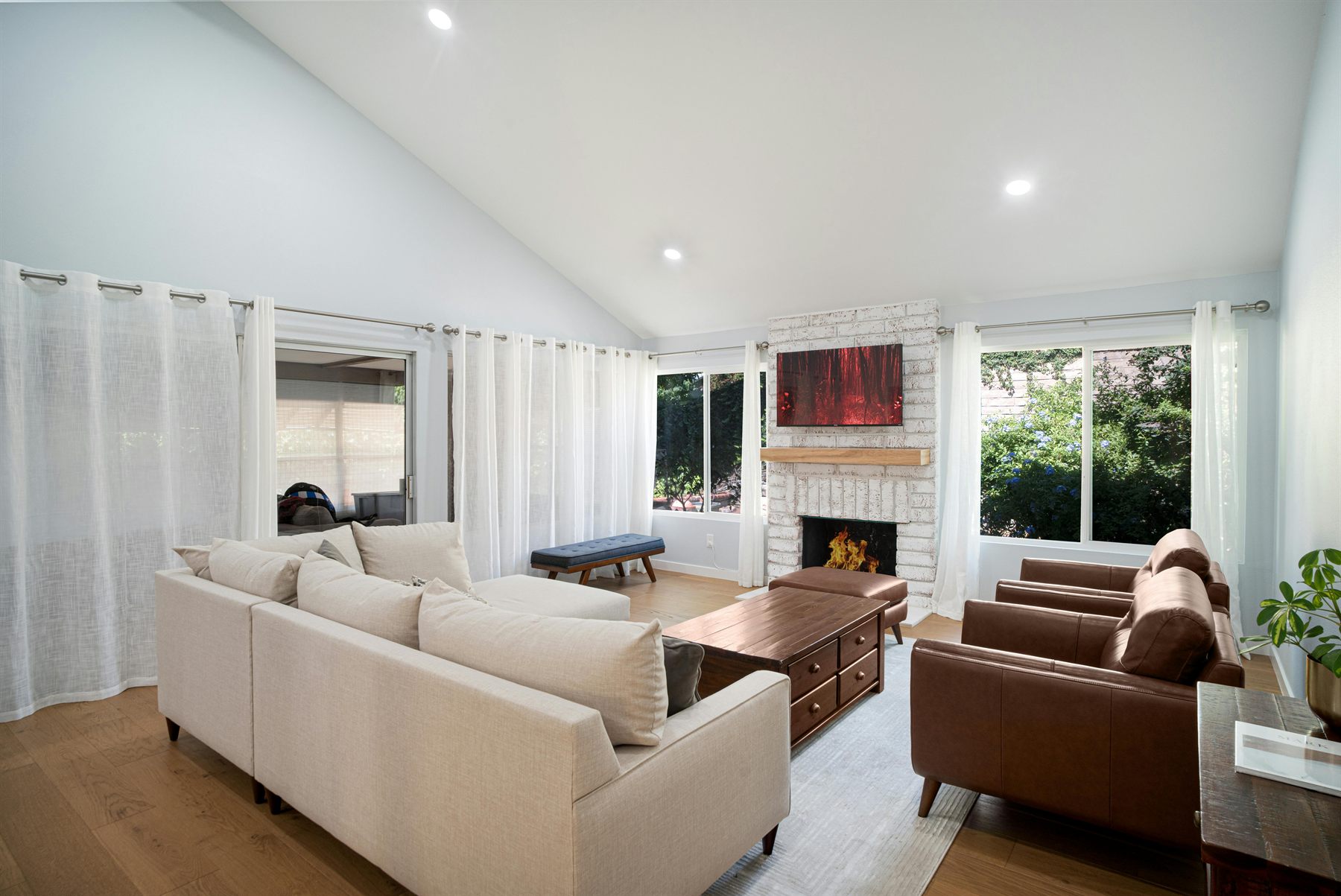
The core feng shui rules are less about memorizing a long list and more about protecting a few dependable principles: clear flow, command position, room purpose, better upkeep, and visual balance. When a rule improves how the room feels and functions, it is usually worth keeping.
Most feng shui rules make more sense once you stop reading them as superstition and start reading them as design logic. They are usually trying to make the room feel safer, calmer, easier to use, and easier to maintain.
That is why the rules hold up best when they are translated into real-life questions. Can the room breathe? Can the main furniture see the door? Is the room doing one job clearly? Is anything broken, blocked, or visually noisy enough to keep creating friction?

Why Feng Shui Rules Exist in the First Place
A good rule is usually protecting one of two things: how the room functions, or how the room feels. A bed placed more safely, a front entry that feels easier to arrive through, and a room with less clutter all support the same deeper goal. They reduce background stress.
This is also why rules feel less rigid once you know the reason behind them. If a room cannot fit the ideal layout, you can still move it closer to the principle. That flexible mindset is what makes feng shui much easier to live with over time.
| Rule idea | What it is protecting | What it looks like in real life |
|---|---|---|
| Clear flow | Ease and movement | Walkways feel open, the entry is readable, and the room does not feel blocked. |
| Command position | Security and awareness | The bed, desk, or main seat can see the door without sitting directly in line with it. |
| Room purpose | Emotional clarity | A bedroom feels restful, an office feels focused, and a living room supports conversation. |
| Upkeep | Energetic cleanliness | Broken lights, stuck drawers, leaks, and neglected corners get handled instead of ignored. |
| Balance | Visual steadiness | The room feels grounded, not lopsided, overcrowded, or dominated by one object. |
The Core Rules That Show Up in Almost Every Room
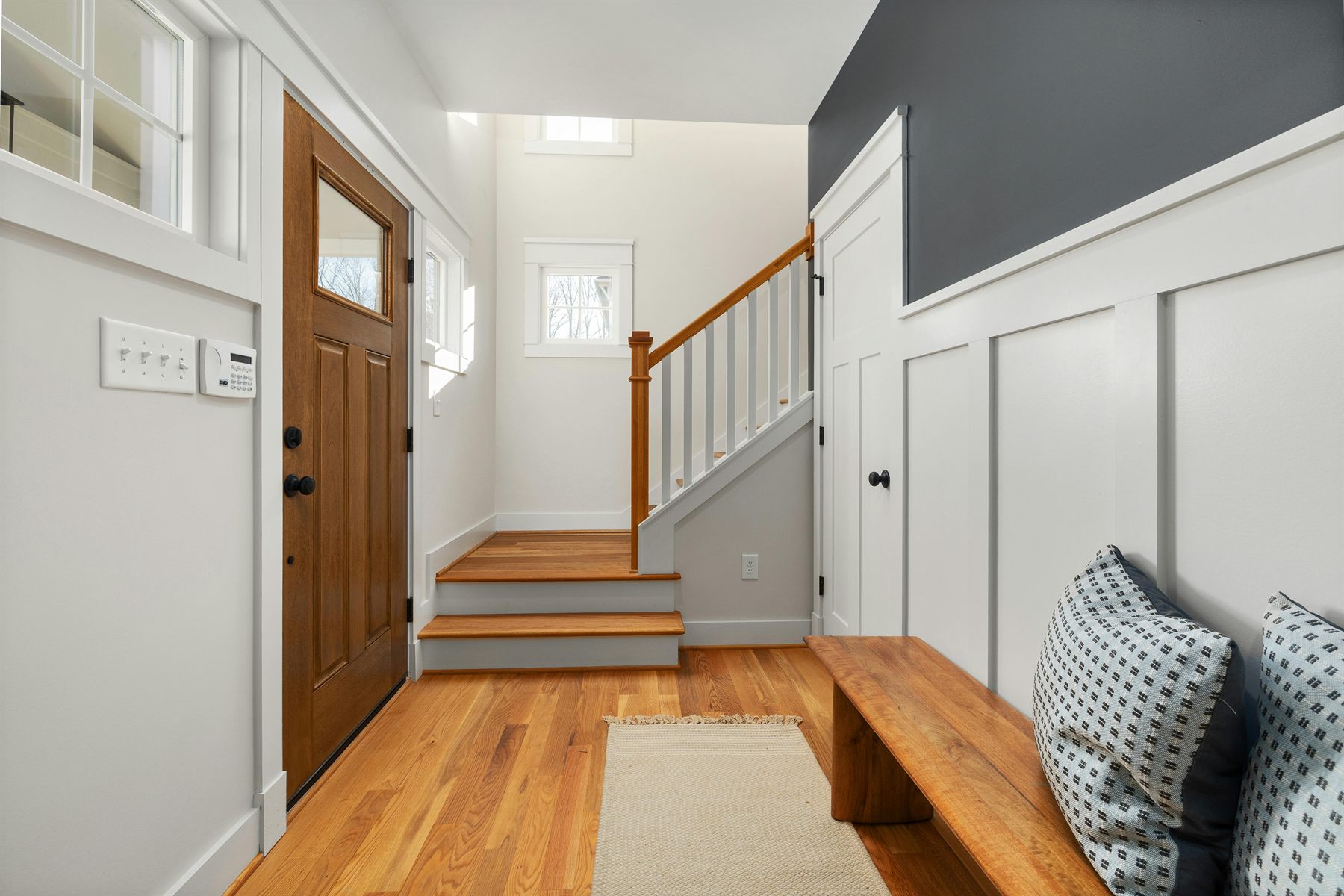
Five rules that explain most of the rest
Protect the main pathway
Qi flow is easiest to understand as circulation. If the room is harder to move through than it needs to be, the space will often feel more tense or more tiring.
Let the anchor piece feel secure
Beds, desks, and main seating usually feel better when they are supported by a wall and have some awareness of the door.
Keep the room emotionally honest
A room trying to work as a bedroom, office, storage dump, and workout space all at once often feels unsettled even before you talk about feng shui.
Repair before decorating
A broken lamp, damaged blind, leaky fixture, or dragging door creates constant low-level friction that decor alone will not solve.
Balance the visual weight
One side of the room should not feel drastically heavier, sharper, or louder than the rest unless that contrast is controlled very carefully.
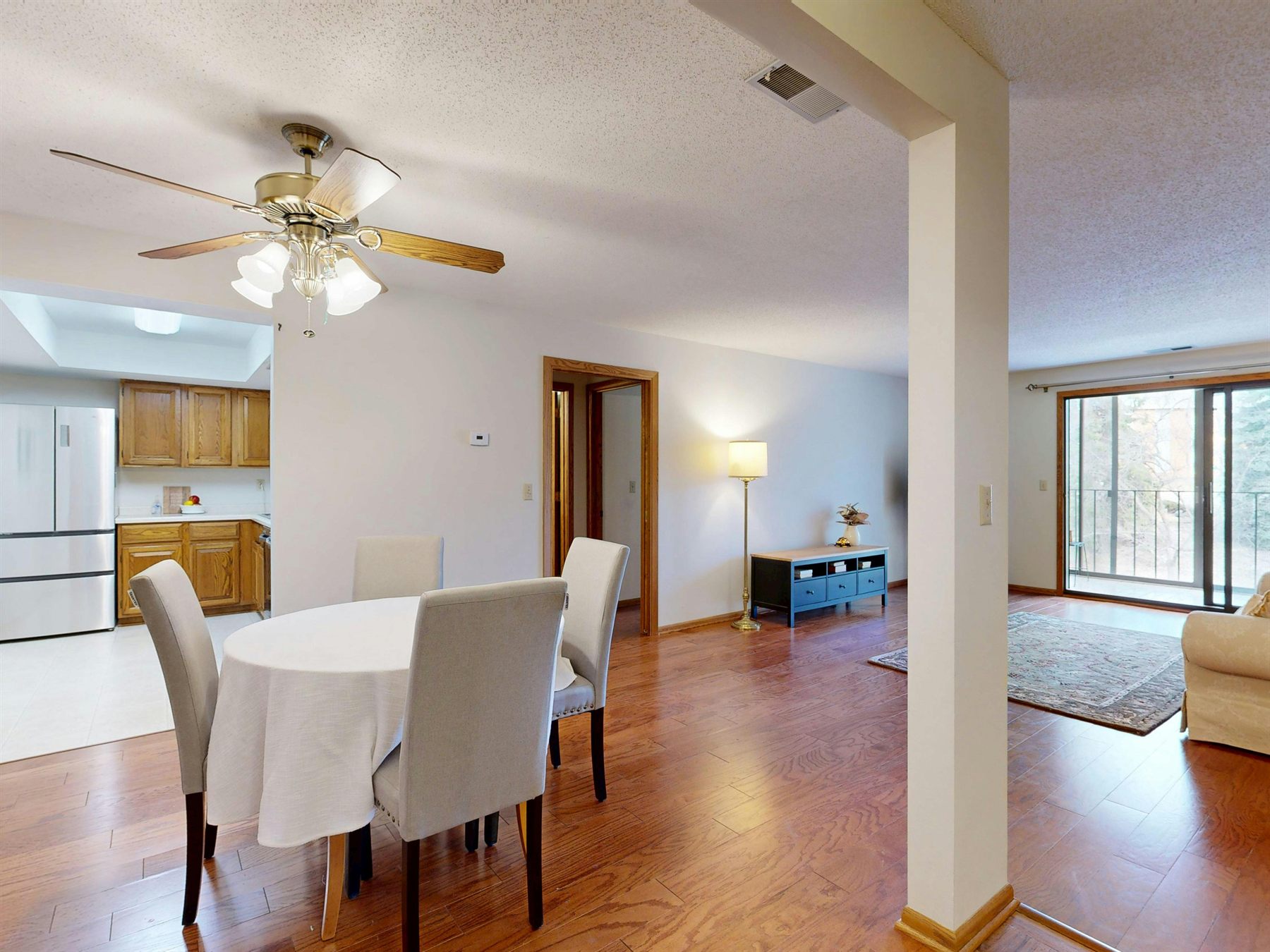
What These Rules Often Look Like in Color
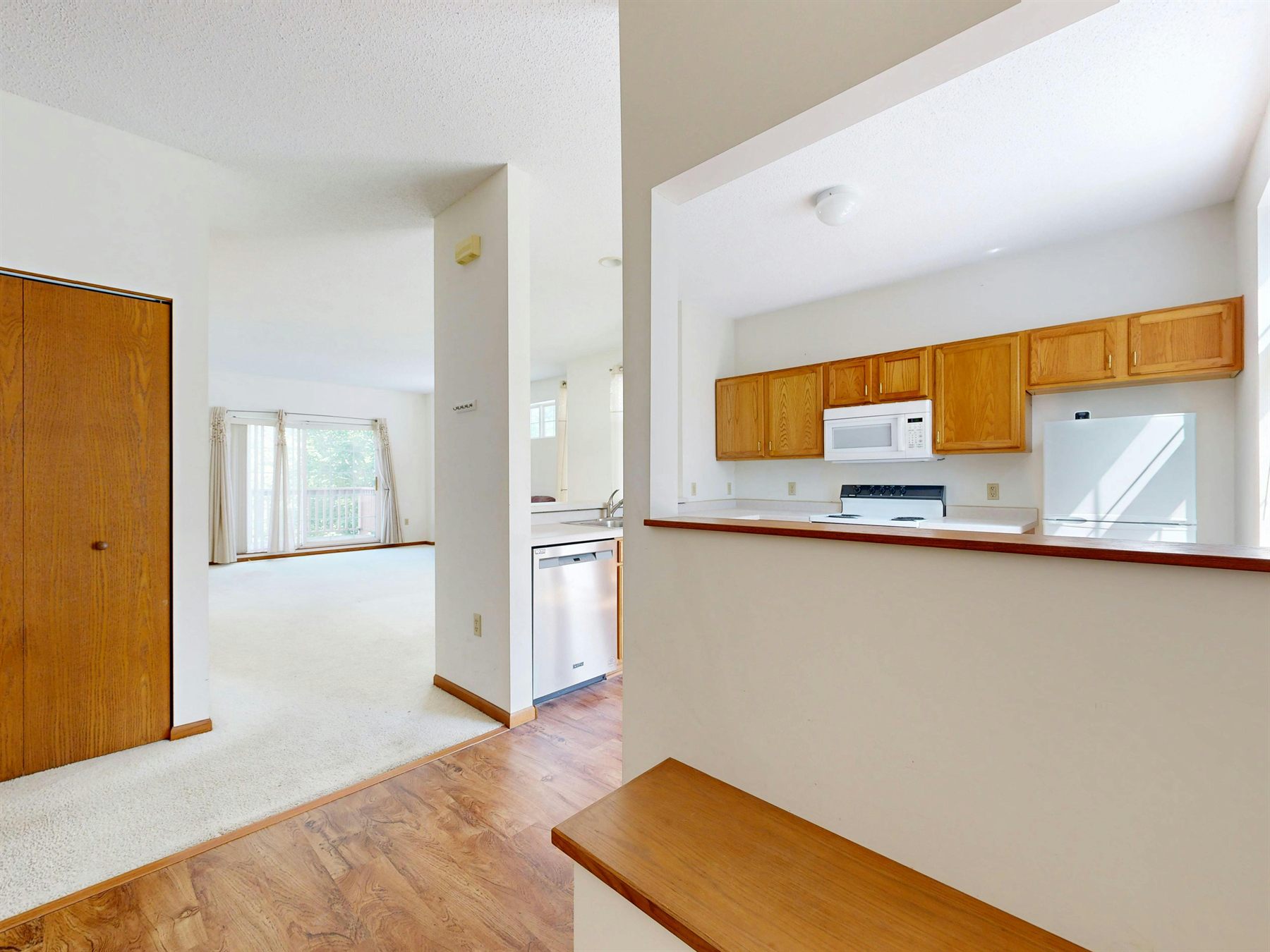
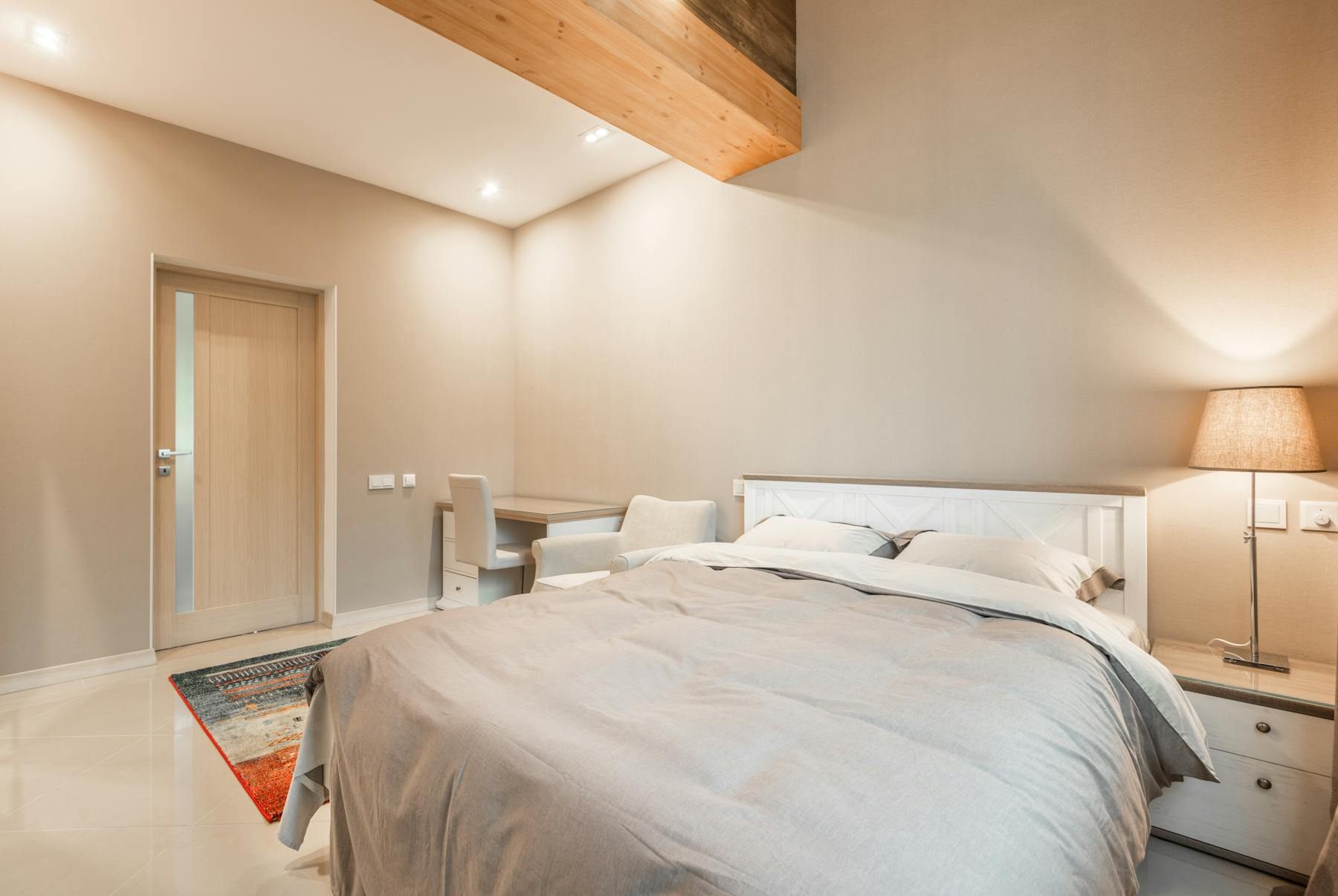
Color is one of the fastest ways to break or support the rules above. A palette that feels too sharp, too cold, or too busy can weaken flow and room purpose even when the furniture layout is technically correct. That is why most rooms respond better to quieter base colors, one grounding middle tone, and a warmer accent used with restraint.
Palette directions that usually support the core rules
These combinations tend to protect flow, visual balance, and a clearer room mood.
Warm cream
Open and forgiving
Warm cream + Oat + Walnut
Best for walls and larger surfaces when the room needs to breathe more easily.
Soft greige
Calm and connective
Soft greige + Mushroom + Oak
Helpful when the room has mixed furniture or multiple zones that need a steadier bridge color.
Muted sage
Grounded relief
Muted sage + Cream + Walnut
Useful for a sofa, drapery, or one stronger feature when the room feels visually dry or too hard-edged.
Terracotta accent
Warm and alive
Terracotta accent + Linen + Brass
Best through art, cushions, or ceramics when the room needs energy without losing balance.
Three palette formulas that usually stay within the rules
Quiet and grounded
Warm cream + Greige + Walnut
Best for rooms that need more ease, softer circulation, and less visual noise.
Balanced with one living tone
Cream + Sage + Oak
Useful when a room feels too flat and needs one calmer color with some life in it.
Warm but still controlled
Greige + Clay + Muted brass
Good when the room needs more energy but should still feel readable and settled.
How to Apply the Rules Without Making Them Feel Rigid
The best way to use these rules is to ask what problem the room is signaling first. If the room feels blocked, start with flow. If it feels restless, check the anchor furniture. If it feels visually chaotic, reduce the number of competing objects and unfinished tasks in view.
Use the rules this way
- +Use rules to diagnose why a room feels off before buying more decor.
- +Work from the largest friction point first, such as layout, clutter, or maintenance.
- +Translate the rule into the closest practical improvement your room can handle.
- +Treat the room's function as the main filter for every decision.
Avoid turning them into this
- -Forcing a perfect rule even when the room has clear physical limits.
- -Applying the same fix to every room without checking what the room needs.
- -Buying symbolic cures before improving the room's layout and condition.
- -Assuming one broken rule ruins the whole room.
If you want a more room-by-room checklist after this, feng shui rules for your home is the better follow-up. If you want to apply the same principles to a specific area, the next most useful reads are feng shui bedroom layout, feng shui floor plan, and feng shui living room furniture.
Best way to remember the rules
Most feng shui rules are trying to protect one of five things: flow, support, room purpose, upkeep, or visual balance. If you remember that, the rest becomes much easier to apply.
Frequently Asked Questions
What are the main feng shui rules?
Why does feng shui use so many rules?
Do I need to follow every feng shui rule perfectly?
What is the first feng shui rule to apply?
The Bottom Line
The most useful feng shui rules are not random restrictions. They are practical principles that help a room feel calmer, more supported, and easier to live in.
If a rule improves flow, support, upkeep, balance, or room purpose, it is doing its job. That is the version of feng shui that stays both realistic and effective.