
Quick Answer
The feng shui items to avoid are usually the ones that make the room feel heavier instead of better. Broken items, dead plants, cluttered thresholds, hostile decor, dusty neglected objects, and memory-heavy pieces that no longer feel good to live with are the most common examples.
The point is not to become superstitious about every object. The point is to notice which things quietly make the room feel more drained, more crowded, or more emotionally stuck every time you see them.
In practice, the problem items are usually easy to spot. They either look neglected, interrupt the function of the room, or carry a mood that the room does not need more of.

The Items That Usually Cause the Most Drag
Five categories to watch first
Broken items
A broken lamp, frame, drawer, or decor object repeats irritation and neglect every time it comes into view.
Dead or struggling plants
Plants are supposed to add life. Once they look depleted, they often send the exact opposite message.
Threshold clutter
Too many drop-zone objects at the front door weaken the welcome and make the whole home feel more blocked.
Hostile decor
Very sharp forms, aggressive imagery, or emotionally tense artwork can make a room feel more combative than calming.
Memory-heavy items
Some keepsakes are good to live with. Others quietly keep the room emotionally locked to something heavier.
How to Edit Them Out Without Stripping the Room
What usually helps
- +Fix, replace, or remove broken pieces that keep repeating irritation.
- +Keep plants only if they still look healthy enough to read as life.
- +Protect the entry path so arrival still feels open and readable.
- +Let sentimental items stay only if they still feel emotionally right in the room.
What usually weakens the room
- -Leaving damaged decor visible because the object used to matter.
- -Holding onto dead plants as if they still count as life energy.
- -Stacking too many symbolic items on one shelf or console.
- -Forcing decor to stay when it makes the room feel tense, guilty, or visually trapped.
What to Keep Instead So the Room Still Feels Alive
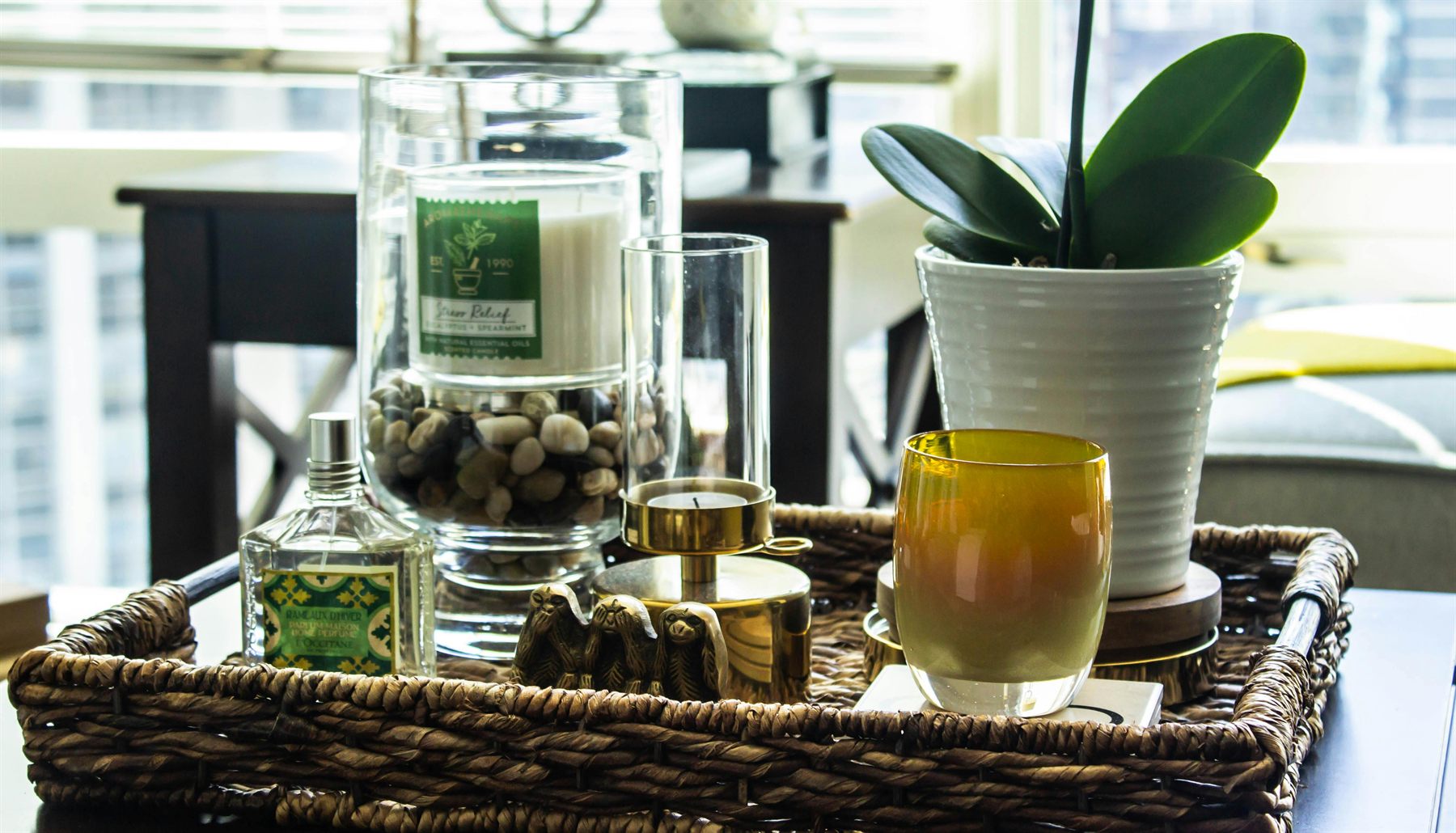
A room does not get better by becoming empty. It gets better when the remaining items still feel alive, useful, cared for, or emotionally lighter. Healthy plants, warmer light, edited trays, uplifting art, and fewer but better pieces usually go farther than trying to rescue every old object.
Keep what still supports the room
If an item feels useful, beautiful, emotionally light, or genuinely meaningful in a good way, it can stay. The problem is not meaning. The problem is drag.
The closest companion guides here are feng shui declutter ideas, feng shui positive energy items, feng shui mirrors, and feng shui rules for your home. If the trouble is happening at the entry specifically, feng shui front door is the stronger follow-up.
Frequently Asked Questions
What items should be avoided in feng shui?
Are sentimental items bad feng shui?
Why are broken items bad in feng shui?
What should I keep instead of bad feng shui items?
The Bottom Line
The feng shui items to avoid are usually the ones that make the room feel heavier, sadder, or more blocked every time they show up in your line of sight. Broken things, dead plants, threshold clutter, hostile decor, and emotionally heavy objects are the most common examples.
The room does not need fewer objects just for the sake of it. It needs fewer items that quietly drain it and more pieces that still support life, light, order, and ease.