

Quick Answer
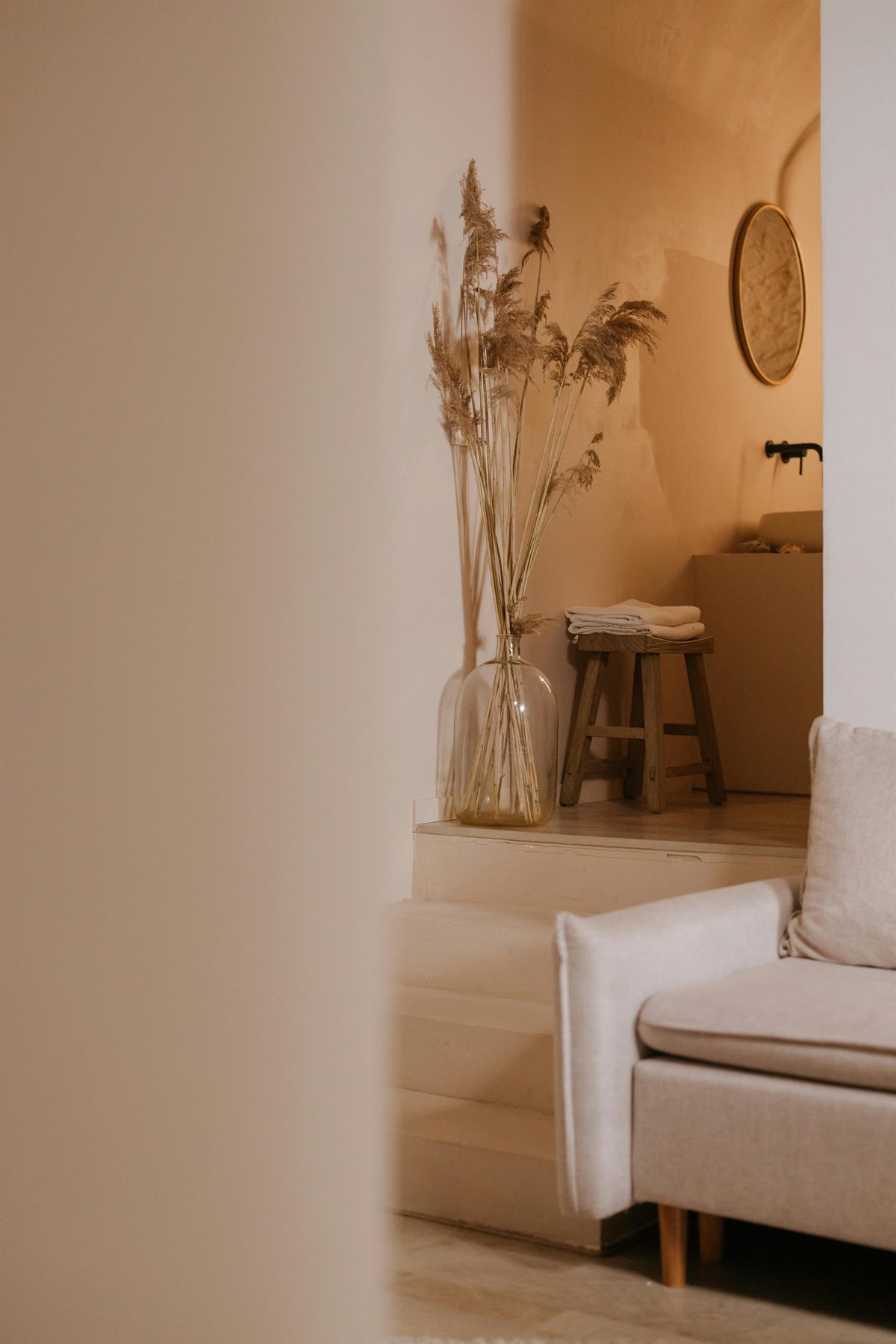
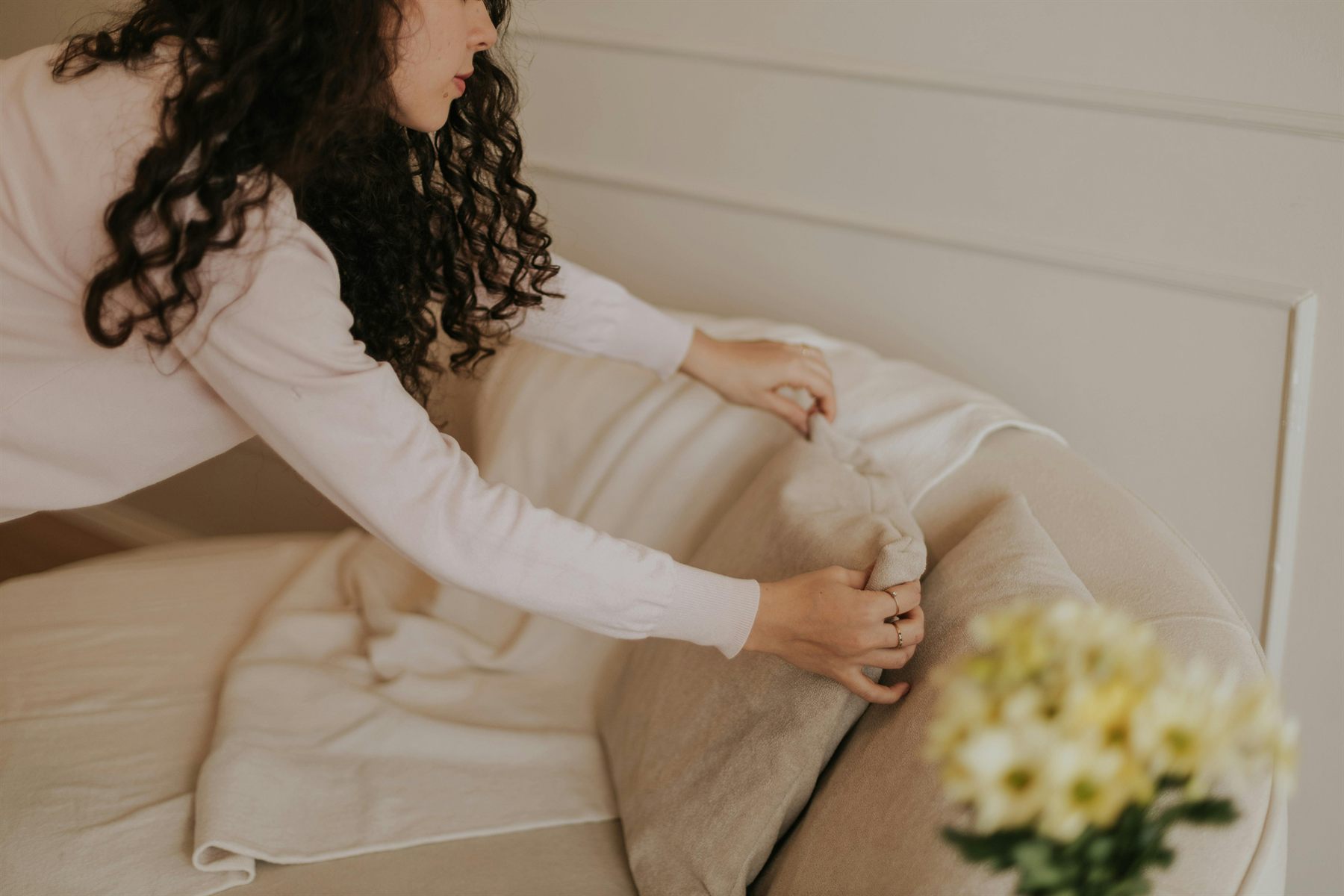
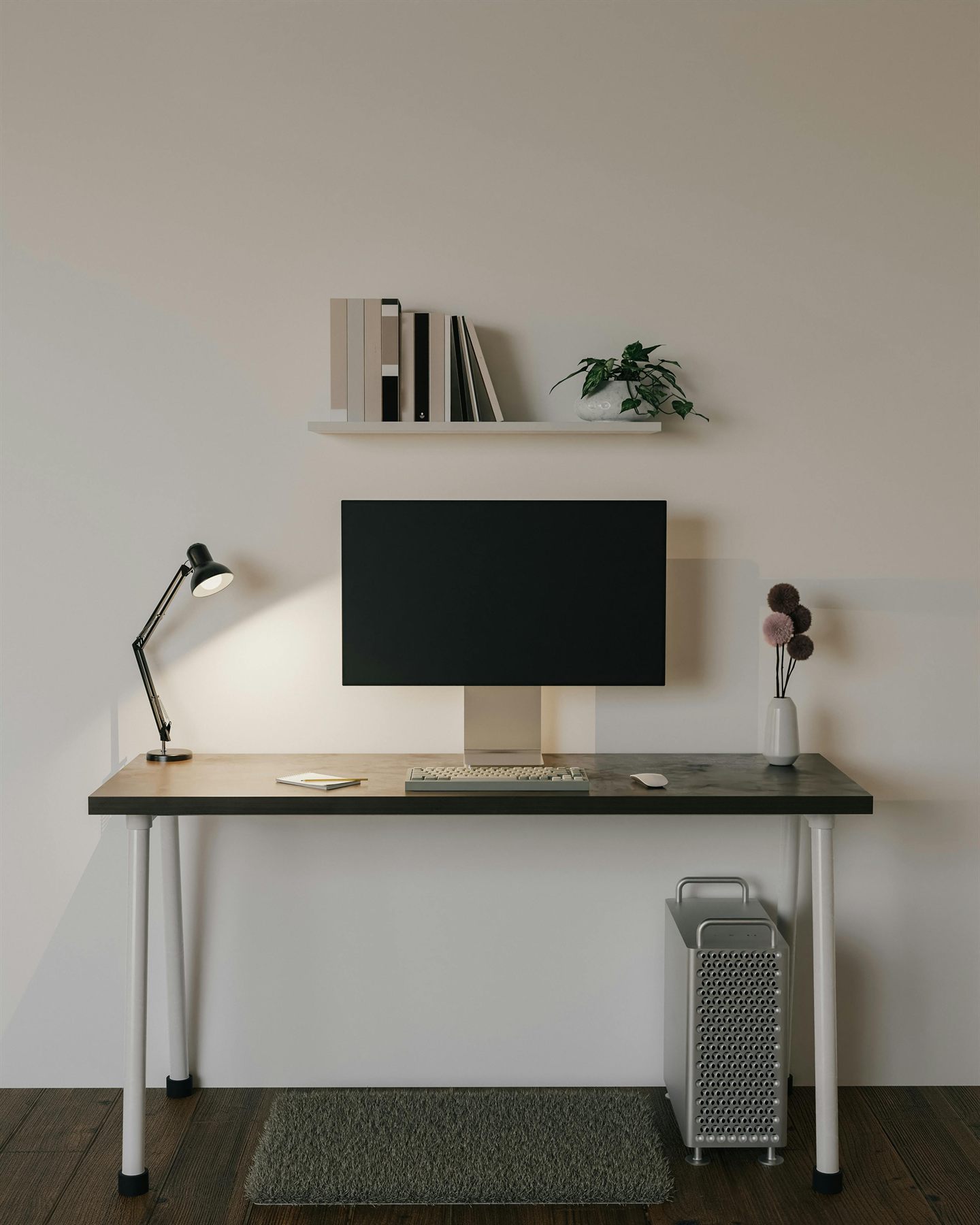
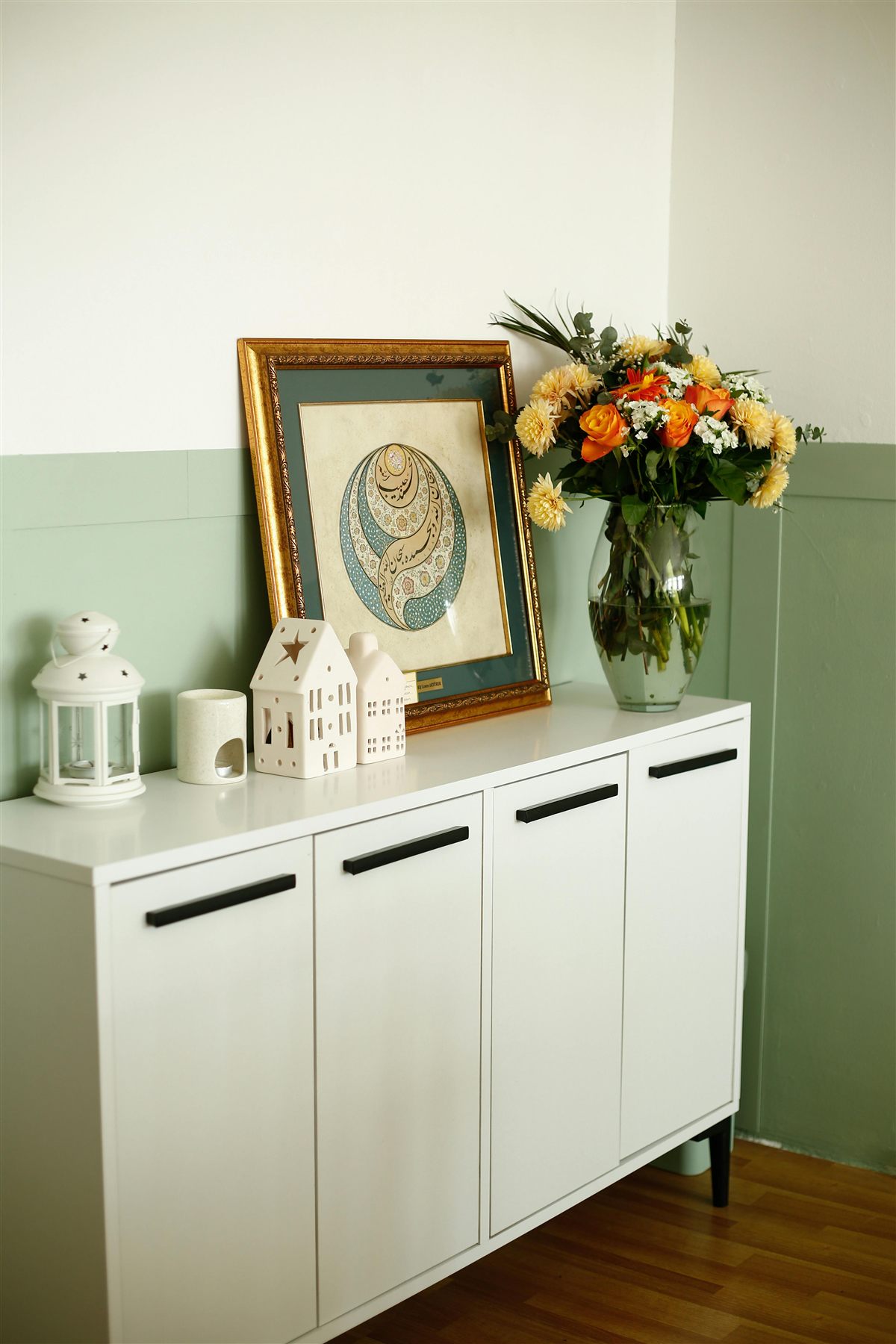
The best feng shui inspiration usually comes from rooms that feel softer, calmer, and more breathable, not just more decorated. Good inspiration shows how color, furniture spacing, natural texture, plants, and light can make a home feel more settled.
Inspiration is useful when it gives you a feeling to aim for and enough visual clues to actually recreate it.
That is why feng shui inspiration works best as a guide to atmosphere rather than a strict set of objects. The rooms people save most often usually have better spacing, calmer color, warmer light, and enough natural texture that the home feels grounded instead of generic.
What Feng Shui Inspiration Usually Looks Like
Five signals that show up in the strongest rooms
A quieter color family
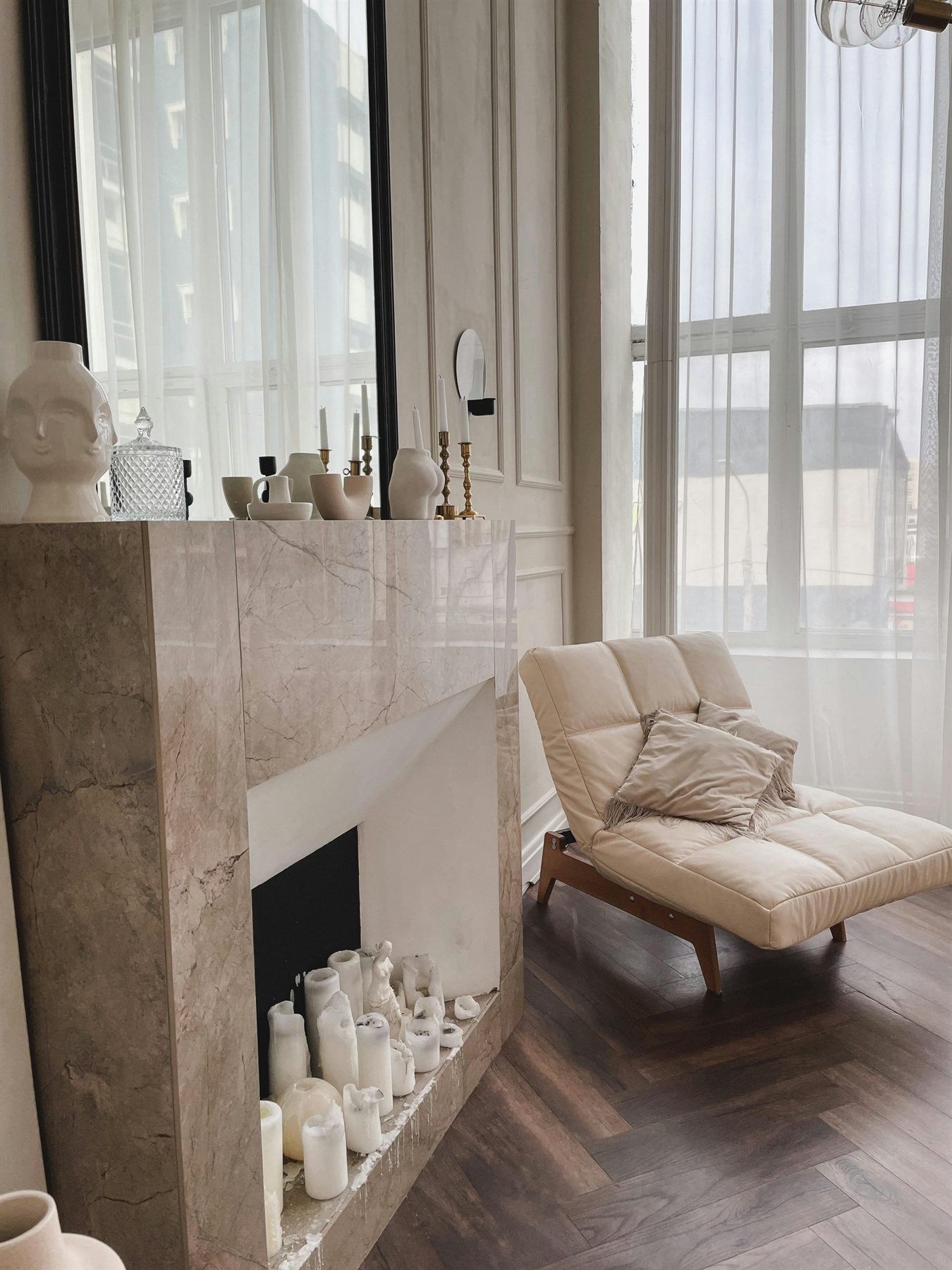
Warm neutrals, muted greens, clay accents, and softer blue-green tones usually create a calmer base.
Natural texture
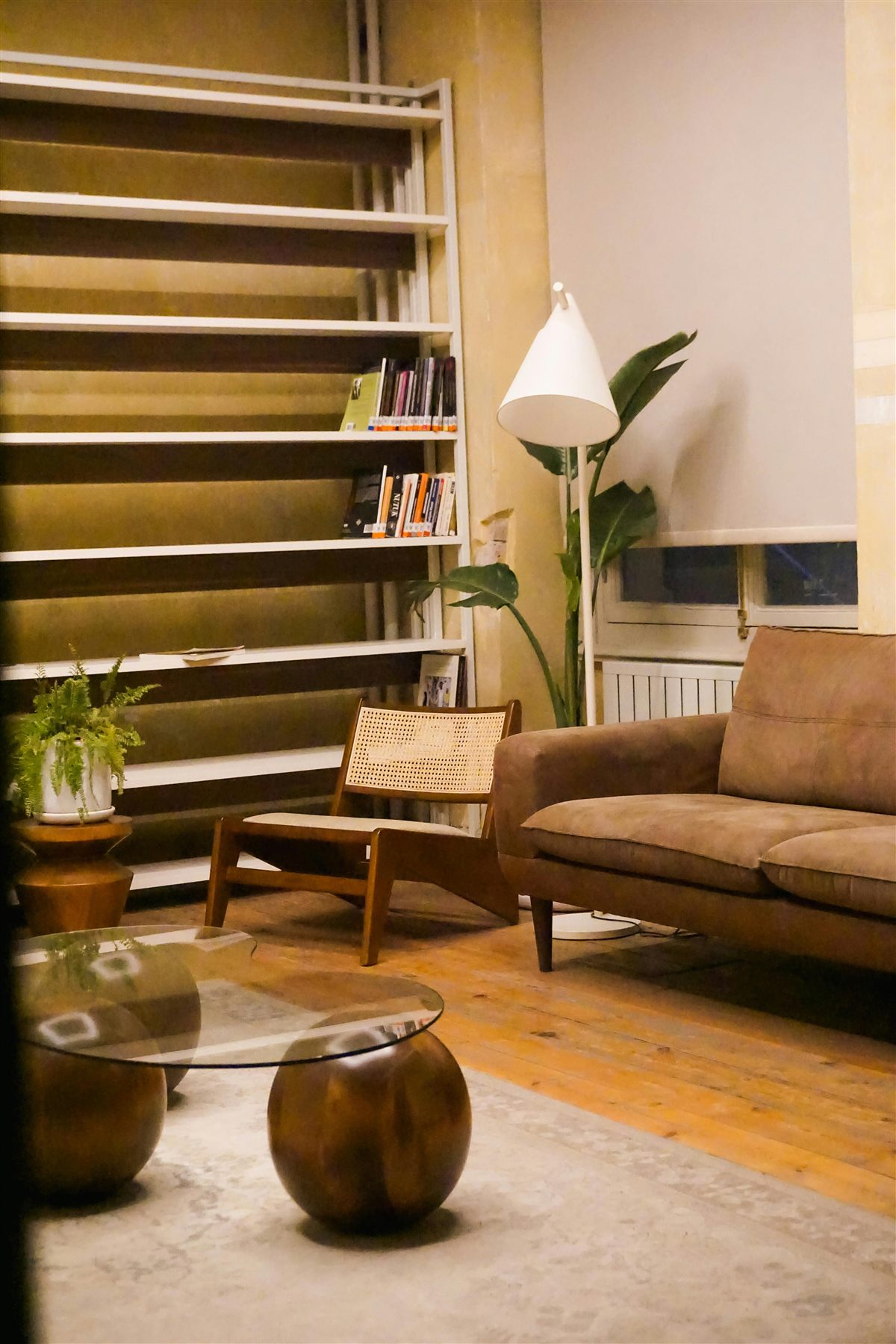
Wood, woven detail, linen, stone, and clay help the room feel grounded and believable.
Enough visual breathing room
The room feels edited, not overfilled. Empty space helps the good details register.
Layered light
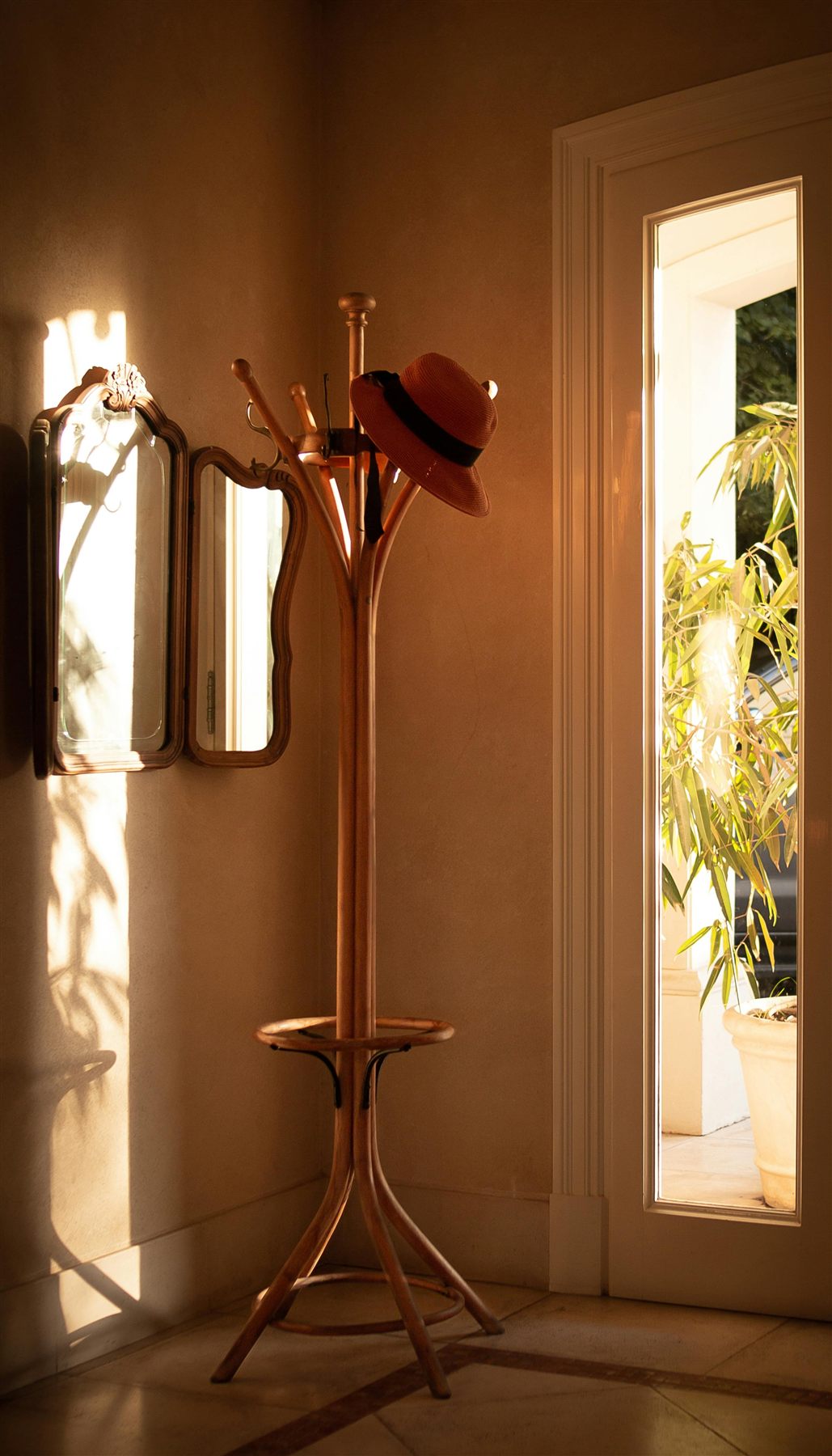
Daylight, lamp light, and softer evening glow usually do more than one harsh overhead source.
Objects that belong
Plants, art, trays, mirrors, and decor are chosen to suit the room rather than prove a theme.
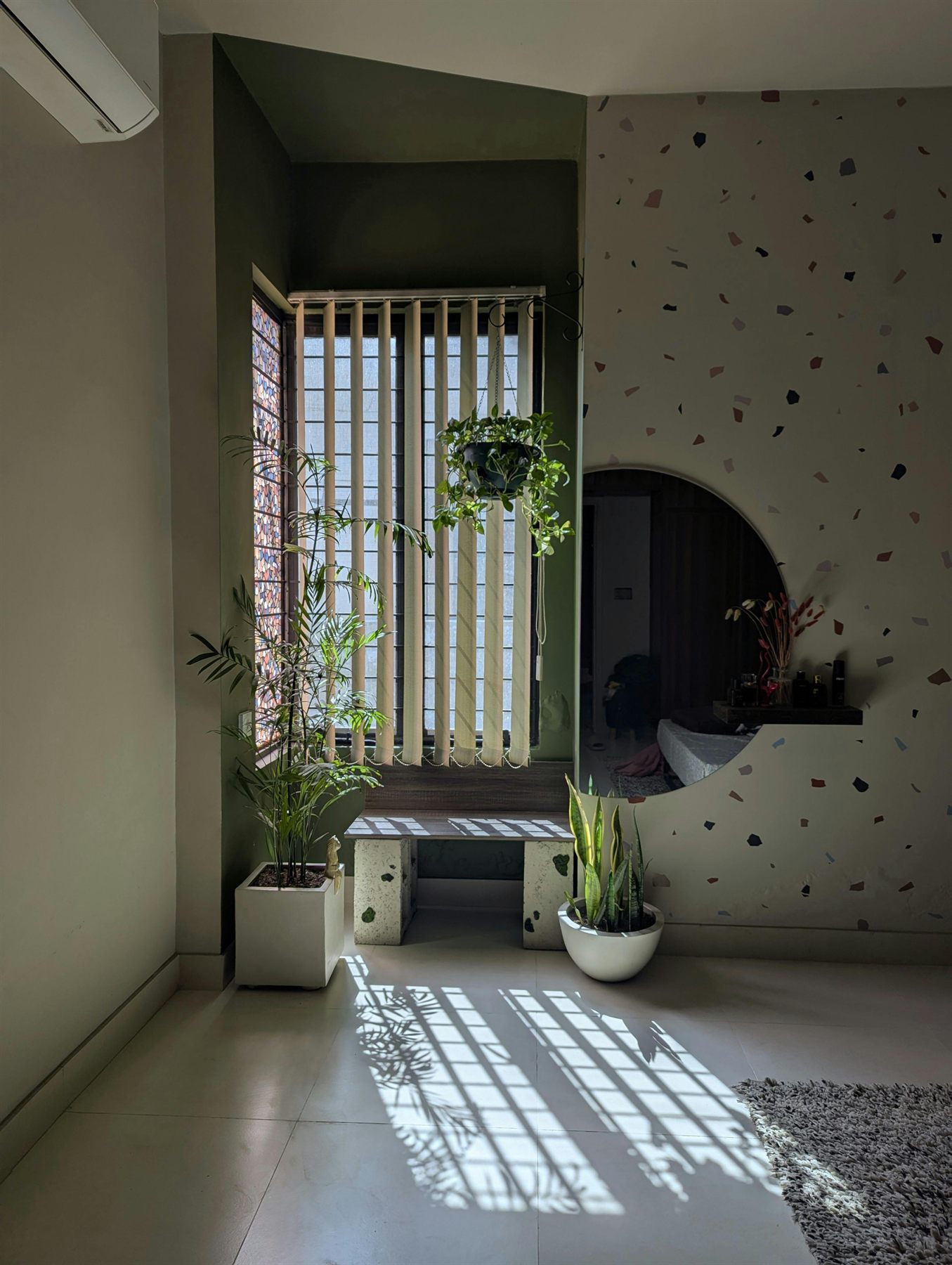
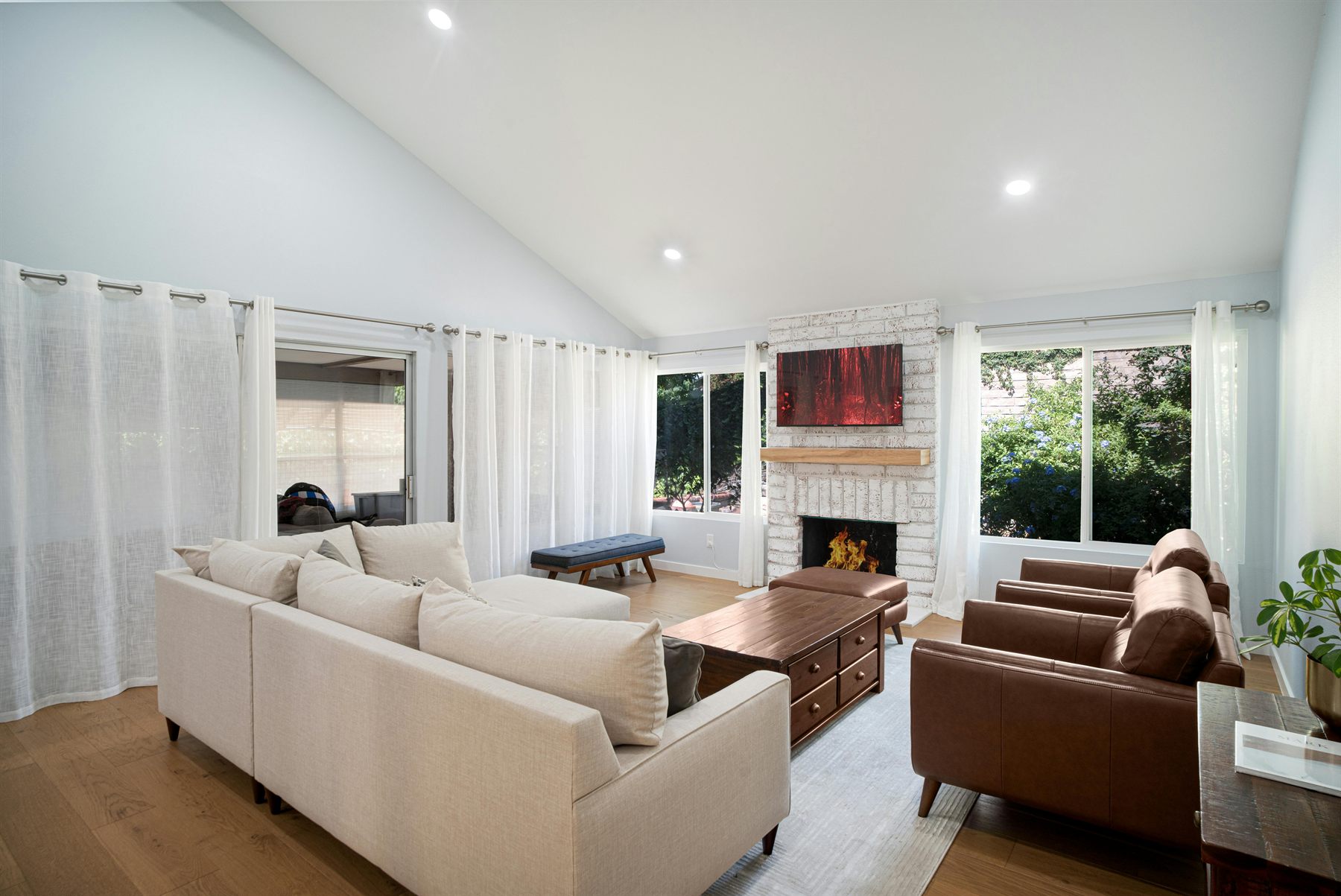
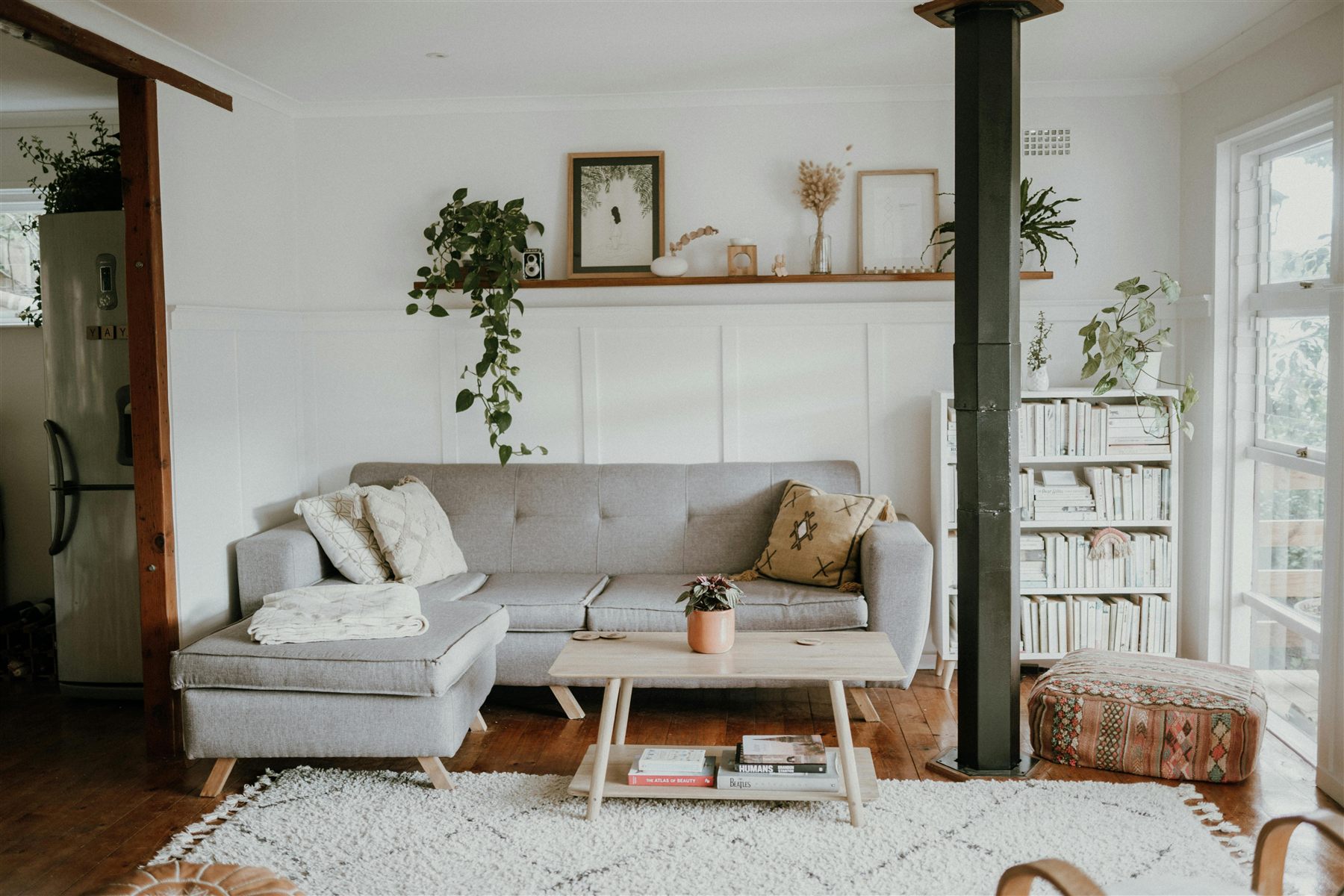
Saveable Feng Shui Directions by Room
How to Borrow the Look Without Copying Every Object
What usually helps
- +Borrow the color family, material mix, and spacing before buying similar objects.
- +Notice where the room is calm and where the room has contrast.
- +Use inspiration to edit, not only to add.
- +Choose a few ideas that suit your room instead of mixing many saved looks together.
What usually weakens the result
- -Treating inspiration as a shopping list of unrelated decor objects.
- -Copying a room's accessories without copying its larger calm structure.
- -Adding plants, mirrors, trays, and art all at once to force the feeling.
- -Ignoring layout and then wondering why the room still feels off.
If you want the mood-board side of this topic to get even more specific, feng shui aesthetic, feng shui home decorating, and feng shui color palette ideas are the best next reads.
Frequently Asked Questions
What does feng shui inspiration usually look like?
How do I use feng shui inspiration without copying a room exactly?
Which rooms are easiest to improve with feng shui inspiration?
What weakens feng shui inspiration?
The Bottom Line
The strongest feng shui inspiration usually comes from rooms that feel calm, grounded, and believable enough to live in. Color, texture, spacing, and light usually do most of the real work.
Use saved rooms to guide your mood and structure first, then let your own home decide which details actually belong.